What Are Rollers in Drum and Bass
Rollers are a fundamental style within drum and bass. The term describes tracks built around continuous, rolling basslines that create an unstoppable forward momentum on the dancefloor. Unlike tracks that rely on dramatic drops and breakdowns, rollers are about sustaining energy at a constant level. The bass keeps moving, the drums keep driving, and the groove never lets up. Think Andy C, Turno, Hazard, and Friction at their most relentless.
The roller is arguably the purest form of DnB. No gimmicks, no tricks, just an addictive groove powered by a bassline that rolls endlessly. Producing rollers requires a specific approach to bass design, drum programming, and arrangement that prioritises groove and consistency over complexity and variety.
The Rolling Bass Foundation
Designing the Roller Bass in Serum
A rolling bass needs to be consistent, warm, and rhythmic. Start with two saw waves in Oscillators A and B, detuned by about 7 to 12 cents. This classic Reese setup provides the churning, phasing character that gives rollers their name. Add 2 unison voices per oscillator with light detune for added width.
The filter is critical. Apply a low-pass filter with moderate resonance and set the cutoff between 600 Hz and 1.2 kHz. This controls the brightness while keeping enough mid-range harmonic content for the bass to be musical and present. The exact cutoff position defines the character of your roller: lower cutoffs produce darker, deeper rollers, while higher cutoffs give a brighter, more aggressive tone.
Assign an LFO to the filter cutoff at a synced rate. For rollers, 1/8 notes or 1/16 notes work best. The LFO depth should be moderate, creating a subtle pulsing that locks in with the drum groove. This rhythmic filter movement is what makes the bass “roll” rather than just sustain statically.
Sub Layer
Layer a clean sine sub underneath your Reese, high-passing the Reese at 80 to 100 Hz and letting the sine handle the pure sub frequencies. This gives you a solid foundation that is consistent and powerful on big systems, while the Reese provides all the mid-range character and movement above it.
For rolling bass presets ready to drop into your productions, check the Preset Drive shop for DnB-focused preset packs.
Programming Roller Drum Patterns
The Core Beat
Roller drums need to be tight, punchy, and relentless. The standard DnB kick pattern (beat one and the “and” of beat two) provides the driving pulse. The snare on beats two and four anchors the rhythm. Keep the core pattern simple and consistent because the bass is doing the heavy lifting in terms of groove.
Layer your kick with a tuned sub hit for extra weight. The kick should punch through the rolling bass clearly, so use aggressive sidechain compression (6 to 10 dB duck) with a fast release to maintain the continuous bass energy while giving the kick space to hit.
Ghost Notes and Hi-Hats
Ghost snares are essential for roller grooves. Place quiet snare hits on the offbeats at 20 to 40 percent velocity. These ghost notes fill in the spaces between the main hits and create the continuous, flowing rhythm that defines rollers. Without ghost notes, the pattern feels choppy and incomplete.
Hi-hats should drive forward at eighth or sixteenth notes with subtle velocity variation. Avoid perfectly quantised, robotic hi-hat patterns. Add small timing variations of 5 to 10 ms to humanise the groove. The hi-hats should feel like a real drummer in the pocket, pushing the tempo forward with controlled intensity.
Ride cymbals add extra momentum. Layer a ride pattern on quarter notes or eighth notes at moderate velocity. The sustained, shimmering quality of a ride cymbal adds energy and forward motion that complements the rolling bass beautifully.
Arrangement for Relentless Energy
Roller arrangements are different from drop-based DnB. Instead of dramatic buildups and explosive drops, rollers focus on gradual introduction and removal of elements to create subtle variation without breaking the groove. The bass and drums should run continuously through the main sections with elements layered in and out for interest.
A typical roller arrangement: 16-bar intro with drums building in, 32-bar section A with full bass and drums, 16-bar transition where you swap the bass pattern or add a new element, 32-bar section B with subtle variations, 16-bar breakdown (reduce to minimal elements briefly), 32-bar final section with full intensity, 16-bar outro for DJ mixing.
The breakdown should be brief and subtle. Do not strip everything away for an 8-bar silence followed by a huge drop. Instead, reduce the elements to just drums and a filtered bass for 8 to 16 bars, then bring the full bass back in without fanfare. The energy should feel like it never really stopped, just dipped momentarily.
Mixing Rollers
The mix should feel dense, warm, and continuous. The bass and drums should be glued together with parallel compression on a combined drum-bass bus. This creates a cohesive, unified groove where the elements feel like one combined force rather than separate instruments.
Use a gentle high-shelf EQ boost above 8 kHz on the drum bus to add air and presence. This prevents the mix from feeling dark and suffocating, which is a common problem when the bass dominates the mid-range. The drums need brightness to cut through the dense bass content.
Stereo width should be moderate. Keep the sub mono, let the mid-range bass have some width from the Reese detuning, and spread the hi-hats and rides slightly wider. The mix should feel focused and powerful, not wide and thin.
Get started with roller production by downloading the free Serum taster pack and experimenting with rolling bass sounds.
Keep It Rolling
Rollers are about groove, consistency, and controlled intensity. Nail your rolling Reese bass, program tight drums with ghost notes, and build arrangements that sustain energy without relying on drops. The best rollers are the tracks that DJs play when they want the dancefloor locked in for five minutes straight. Get your rolling bass sounds from Preset Drive and start building unstoppable DnB grooves.
Ready to level up your sound?
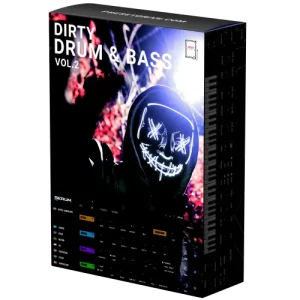
Dirty Drum & Bass Vol.2
Professional DnB presets for Serum. Reeses, neuro basses, subs, and more.
£29.99
Shop Now →Not sure yet? Grab our free taster pack first.

