What is Neuro Bass
Neuro bass is a style of bass sound design characterised by complex, evolving timbres that use heavy modulation, wavetable manipulation and effects processing. Originally rooted in Drum and Bass (particularly the neurofunk sub-genre), neuro bass techniques have since spread to dubstep, bass house and experimental electronic music.
Artists like Noisia, Mefjus, Phace and Current Value pioneered the neuro bass sound. Their tracks feature basses that morph, growl, screech and evolve in ways that keep listeners engaged throughout the track.
How Neuro Bass Works in Serum
Serum is the go-to synthesiser for neuro bass because of its powerful wavetable engine, flexible modulation routing and built-in effects. Here is how the key elements work together.
Wavetable Selection
Start with complex wavetables rather than basic shapes. Serum includes several wavetables suited to neuro bass, but you can also import your own. Analog, Digital and Spectral categories all contain useful starting points. The key is finding wavetables with interesting harmonic content that changes as you scan through positions.
Wavetable Position Modulation
The core of neuro bass is modulating the wavetable position. Assign an LFO or envelope to the WT POS control to sweep through different timbres over time. Faster modulation creates aggressive, buzzing textures. Slower modulation produces evolving, cinematic sounds.
FM Synthesis
Use Oscillator B as an FM source for Oscillator A. This adds metallic, bell-like harmonics that are characteristic of neuro bass. Modulate the FM amount with an LFO for sounds that shift between clean and harsh. Even subtle FM adds complexity.
Filter Modulation
Apply a low-pass or band-pass filter and modulate the cutoff with multiple sources. Combine an envelope for the initial attack shape with an LFO for ongoing movement. Use Serum filter types like MG Low or Dirty to add character to the filtering.
Advanced Neuro Bass Techniques
Multi-Band Processing
Split your neuro bass into frequency bands and process each differently. Keep the sub clean and mono. Add distortion and modulation to the mid-range. Apply stereo effects to the highs. This approach gives you control over every aspect of the sound.
Resampling
Render your Serum output to audio, then chop, reverse, pitch-shift and re-layer the result. Resampling is how producers like Noisia create sounds that would be impossible with synthesis alone. Each round of resampling adds new textures and possibilities.
Vowel and Formant Sounds
Create vocal-like neuro basses by using formant filters or specific wavetable positions that mimic vowel sounds. Automate between different formant shapes to make the bass sound like it is talking or singing. This technique works especially well in drops.
Granular Textures
Combine granular-style effects with your neuro bass for glitchy, fragmented textures. Short delay times, bit-crushing and sample rate reduction all add digital grit that sits well in neurofunk productions.
Building a Neuro Bass Patch From Scratch
Follow these steps to build a basic neuro bass in Serum:
- Load a complex wavetable in OSC A (try Analog_BD_Harmonics or Digital_Carbon)
- Set the unison to 2-4 voices with slight detune for width
- Add OSC B with a simple sine wave for sub weight
- Enable FM from B to add metallic harmonics
- Apply a low-pass filter (MG Low 24) with envelope modulation
- Add an LFO to wavetable position for timbral movement
- In the FX chain: add Distortion (tube), then Compressor, then EQ
- Map macros to key parameters: WT position, filter cutoff, FM amount, distortion drive
This gives you a starting point that you can shape into hundreds of different neuro sounds by adjusting the macros and modulation.
Using Neuro Bass Presets
Sound design from scratch is rewarding but time-consuming. Professional neuro bass presets give you instant access to complex, production-ready sounds with all the modulation and effects already configured.
Good neuro bass preset packs include variety: from subtle, evolving textures to aggressive, in-your-face growls. They should have macro controls mapped so you can customise each sound quickly.
Preset Drive Drum and Bass packs include dedicated neuro bass presets alongside Reese basses, sub basses and atmospheric sounds. Each preset comes with full macro mappings for instant tweaking.
Mixing Neuro Bass
Keep the Sub Separate
Always use a separate sub bass layer underneath your neuro sounds. This lets you keep the sub clean and mono while going wild with modulation and effects on the mid-range content.
Use Multiband Compression
Neuro basses have wide dynamic ranges due to heavy modulation. Multiband compression helps tame the peaks while maintaining the energy and movement. Focus on controlling the 200-500 Hz range where muddiness tends to build up.
Reference Tracks
Compare your neuro bass sounds to professional tracks by artists like Noisia, Mefjus or Camo and Krooked. This helps you understand the frequency balance and loudness targets you should aim for.
Conclusion
Neuro bass is one of the most creative and rewarding areas of sound design in electronic music. Whether you build patches from scratch or use professional presets as a starting point, the key is experimentation. Layer, modulate, resample and process until you find sounds that are uniquely yours.
Want to get started with professional neuro sounds? Explore our DNB preset packs featuring dedicated neuro bass presets for Serum.
Related Preset Packs
Looking for professional bass music presets? Check out these Serum preset packs:
Ready to level up your sound?
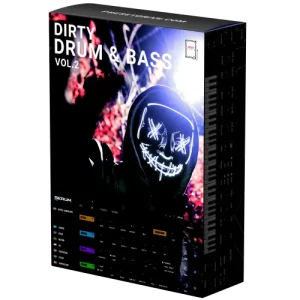
Dirty Drum & Bass Vol.2
Complex neuro bass presets with heavy modulation and processing.
£29.99
Shop Now →Not sure yet? Grab our free taster pack first.


