
Why Reverb and Delay Matter for Bass
Reverb and delay might seem like they are mainly for pads, vocals, and leads. But used carefully on bass sounds, they can add incredible depth, space, and character. The key word is carefully. Too much reverb or delay on bass frequencies will turn your mix into an unfocused, muddy mess. But the right amount, applied the right way, can transform a flat, dry bass into something that sounds three-dimensional and immersive.
Bass music productions that sound professional almost always use spatial effects on their bass elements. The difference is that they use them surgically rather than slathering them on. Understanding when and how to apply reverb and delay to bass is what separates a good mix from a great one.
Reverb Techniques for Bass
Short Reverb for Thickness
A short reverb (decay under 500ms) on bass adds body and thickness without creating obvious tails that muddy the mix. In Serum built-in reverb, set the size to 20-40%, decay short, and mix at 10-20%. This subtle application creates a sense of physical space around the bass sound without the reverb being consciously audible.
This technique works particularly well on mid-range bass elements like growls, reeses, and pluck bass sounds. The short reverb fills in the gaps between notes and gives the sound a sense of weight and presence. It is like the difference between hearing a bass in a tiny room versus a medium-sized club.
Filtered Reverb for Atmosphere
For atmospheric bass textures, use a longer reverb but filter it aggressively. High-pass the reverb return at 200-300Hz to remove all the low-frequency buildup. This gives you the atmosphere and tail of a big reverb without the mud. The bass retains its clean low end while the reverb adds a shimmering, spacious quality to the upper harmonics.
Low-pass the reverb return at around 5-8kHz to keep the reverb tail smooth and warm. Bright, untreated reverb on bass can sound harsh and fizzy. Filtering both ends of the spectrum keeps the reverb musical and controlled.
Gated Reverb
Gated reverb creates a burst of space that cuts off abruptly. This is great for percussive bass hits and stabs where you want impact and size without sustain. Set a medium reverb size with a medium decay, then use a gate after the reverb to cut the tail short. The result is a bass hit that sounds massive for a moment before the space disappears, creating a punchy, dramatic effect.
Delay Techniques for Bass
Slapback Delay
A slapback delay (one short echo at about 50-100ms) adds depth and presence to bass sounds without cluttering the mix. In Serum delay, set the time to a short value (not synced to tempo), feedback to 0% (one repeat only), and mix at 15-25%. This creates a subtle doubling effect that makes the bass sound bigger and more present.
Slapback works especially well on staccato bass hits and plucks. The short echo reinforces the transient and gives the sound more body. It is a classic technique used in everything from dub to modern dubstep.
Synced Delay for Rhythmic Interest
Tempo-synced delay creates rhythmic echoes that add movement and groove to bass patterns. Set the delay to 1/8 or 1/16 notes with low feedback (1-2 repeats) and moderate mix (20-30%). The echoes fill the gaps between your main bass notes, creating a busier, more intricate pattern from simple MIDI.
Be careful with synced delay on bass. The echoes add energy and density, but they also add low-frequency content that can build up and cause muddiness. High-pass the delay return at 100-200Hz to keep things clean.
Ping Pong Delay for Width
Ping pong delay bounces echoes between the left and right channels, creating stereo movement. On bass, this should only be used on the mid and high frequency content, never on the sub. High-pass the delay return at 200-300Hz and use it to add width and movement to the upper harmonics of your bass while keeping the sub mono and centred.
Using Serum Built-In Effects
Serum reverb and delay are good quality and perfectly usable for bass processing. The advantage of using them inside Serum is that they process the sound before it leaves the plugin, which means any modulation or macro control you set up also affects the spatial effects.
Map the reverb mix to a macro for performance control. Start dry and sweep in the reverb for atmospheric moments, then pull it back for tight, dry sections. Map the delay feedback to another macro for building echo density during builds and transitions.
Effect Order
In Serum FX chain, the order of effects matters. Placing reverb before distortion creates a dirtier, more saturated spatial effect. Placing reverb after distortion creates a cleaner space around the distorted sound. For bass music, reverb after distortion is usually the better choice because it preserves the clarity of the spatial effect.
Delay before reverb creates echoes that feed into the reverb, producing a lush, ambient wash. Delay after reverb creates distinct echoes of the reverbed sound. Experiment with both orders because the results are quite different and each works better for different applications.
Mixing Spatial Effects in Context
Always judge your reverb and delay settings in the context of the full mix, not in solo. A reverb that sounds perfect on the bass in isolation might be too much when the drums, pads, and other elements are playing. Pull the effects back until they are just barely audible in the full mix. If you can clearly hear the reverb or delay on the bass during playback, it is probably too much.
Use reverb sends rather than inserts when possible. This lets multiple elements share the same reverb space, which sounds more cohesive and uses less CPU. Route your bass, leads, and percussion to the same reverb bus at different send levels to create a unified sense of space. Well-designed Serum presets with built-in spatial effects give you a head start on getting the right balance.
Add Depth to Your Bass Sounds
Reverb and delay on bass are powerful tools when used with restraint and precision. Start subtle, filter aggressively, and always check your low end in mono. With practice, you will develop an instinct for exactly how much space your bass needs.
Explore some professionally crafted bass sounds with the Free Serum Taster Pack. Then head to the Preset Drive shop for complete preset packs with expertly balanced spatial effects built right in.
Ready to level up your sound?
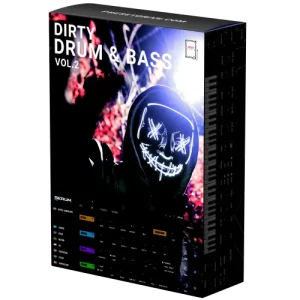
Dirty Drum & Bass Vol.2
Filthy bass presets for dubstep and riddim. Growls, wobbles, and screeches.
£29.99
Shop Now →Not sure yet? Grab our free taster pack first.
