What is Jump-Up Drum and Bass
Jump-Up is a high-energy sub-genre of Drum and Bass built around bouncy, rolling basslines and driving rhythms designed to get crowds moving. Compared to neurofunk or liquid DNB, jump-up is more stripped-back and groove-focused. The basslines are the star of the show: big, rolling mid-range sounds that bounce and wobble with infectious energy.
Artists like Macky Gee, Tyrone, Serum (the artist), Annix, Kanine and Turno are leading the modern jump-up scene. This guide shows you how to produce jump-up DNB from scratch.
Jump-Up Characteristics
Tempo
Jump-up typically sits at 174-176 BPM. Some producers push to 178 BPM but the sweet spot for that rolling, bouncy feel is 174-175 BPM.
Bass Style
Jump-up basslines are characterised by rolling, repeating patterns with a bouncy feel. The bass usually plays a syncopated 8th or 16th note pattern that locks in with the drums. The tone sits mainly in the mid-range (100-500 Hz) with a clean sub underneath. Think of it as more groove-focused than sound design-focused.
Drums
Jump-up drums are punchy and straightforward. Clean, powerful kicks and snappy snares drive the rhythm. Breakbeats are often used but programmed simply rather than intricately chopped. The drums serve the groove rather than demanding attention on their own.
Structure
Jump-up tracks are typically DJ-tool friendly with long intros and outros for mixing. Drops are immediate and impactful. The energy stays high throughout without dramatic breakdowns. The focus is on maintaining dancefloor energy rather than taking listeners on a journey.
Designing Jump-Up Bass in Serum
The Classic Rolling Bass
This is the core jump-up sound: a mid-range bass that rolls and bounces.
- Load a saw wavetable in Oscillator A with 4-7 voices of unison and 0.15-0.25 detune
- Set the filter to Low Pass 24 and bring the cutoff to around 400-600 Hz
- Assign LFO 1 to the filter cutoff with medium depth
- Set LFO 1 to a rate of 1/8 or 1/16, synced to BPM, with a smooth sine or triangle shape
- Add Distortion in the FX rack set to Tube mode at 30-50% drive
- Add Compressor after the distortion for consistency
- Add OTT (multiband compression) at 20-30% for presence
The Foghorn Bass
A classic jump-up sound with a honking, aggressive character.
- Use Oscillator A with a saw wave, 2 voices, moderate detune
- Enable Oscillator B with the same saw wave, pitched up one octave
- Set the filter to Band Pass with medium-high resonance (40-60%)
- Assign an LFO to the filter cutoff for slow wobble movement
- Add heavy distortion (Diode or Hard Clip mode)
- The bandpass filter with resonance creates that nasal, honking quality
The Wobble Bass
A simpler wobble bass that is a staple of jump-up.
- Load a saw or square wave in Oscillator A with 2-4 voices
- Low-pass filter with the cutoff modulated by an LFO at 1/4 note rate
- Set the LFO shape to triangle for a smooth wobble or square for a choppy effect
- Add light saturation and compression
- Adjust LFO depth and filter resonance until you get the right amount of movement
Sub Bass for Jump-Up
Clean and Powerful
Jump-up subs need to be rock solid. Use a separate synth instance (or Serum second oscillator) for a pure sine sub bass. Keep it completely mono, high-pass at 30 Hz to remove rumble, and low-pass at 100-120 Hz to keep it clean. The sub should be felt more than heard, providing the physical weight that makes people move.
Sidechain to the Kick
Sidechain the sub bass to your kick drum with a fast attack and medium release. This creates the pumping feel and ensures the kick punches through clearly. For jump-up, a more aggressive sidechain (higher ratio, faster attack) works well because the drums need to hit hard.
Jump-Up Drum Programming
Kick Pattern
Jump-up kicks follow a straightforward pattern. The kick on beat 1 is essential. Add a second kick on the offbeat of beat 2 (or the “and” of 2) for the classic DNB two-step. Keep ghost kicks minimal. Jump-up is about a strong, consistent groove rather than intricate drum programming.
Snare
Use a punchy, short snare on beats 2 and 4. Layer it with a clap for width and a transient click for definition. Keep the snare snappy with a short reverb tail (if any). The snare should crack clearly above the bass without any mud.
Hi-Hats
Run 8th or 16th note hi-hats with minimal variation. Open hats on specific offbeats add energy. Jump-up hat patterns tend to be simpler and more driving than those in liquid or neurofunk. Consistency creates the relentless energy the genre demands.
Breakbeats
Layer a chopped break underneath your programmed drums for texture and grit. The Amen break and Think break work well. Process the break with a high-pass filter (300-500 Hz) so it adds character to the top end without interfering with your clean kick and sub.
Arrangement for Jump-Up
Intro (32 bars)
Start with drums and atmospheric elements. Build gradually by adding percussion and effects. The intro should be DJ-friendly with a clear mix point. Many jump-up tracks use a stripped-back version of the main drum loop with filtered elements rising.
Build (8-16 bars)
Use a rising effect (white noise sweep, pitched riser sample) combined with a snare roll accelerating from 4th notes to 16th notes to 32nd notes. Remove the kick for the last 4-8 bars to build maximum tension. Some producers add a bass preview (filtered) in the build.
Drop (32-64 bars)
The drop should hit immediately with the full bass, drums and energy. Jump-up drops are straightforward: the bass locks in with the drums and the energy stays high. Vary the bass pattern every 8-16 bars with different filter settings, LFO rates or slight pattern variations to keep interest.
Second Drop
The second drop should offer variation. Switch to a different bass sound, change the drum pattern slightly, or add new elements. Some producers change the bass to a different wobble or bring in a new bassline entirely.
Mixing Jump-Up
Bass Focus
Jump-up mixes should be bass-forward. The mid-range bass is the main feature and should sit prominently in the mix. Use EQ to carve space in the mids for the bass by cutting competing frequencies from other elements.
Drum Clarity
Despite the bass being dominant, the drums must remain clear and punchy. Use sidechain compression on the bass triggered by both the kick and snare. Keep the drums tight with fast compression and minimal reverb.
Simplicity
Jump-up mixes tend to be simpler than neurofunk or liquid. Fewer elements mean less to mix. Keep the arrangement focused: drums, bass, sub, and maybe some simple FX or fills. The less you have in the mix, the louder and more impactful each element can be.
Getting the Right Sound Fast
Jump-up bass sounds follow recognisable patterns. Quality Serum presets give you these sounds immediately, letting you focus on programming catchy patterns and tight arrangements rather than spending hours on sound design.
Preset Drive DNB preset packs include jump-up specific bass presets: rolling basses, foghorn sounds, wobbles and clean subs designed for the genre. Load them up and start programming patterns.
Conclusion
Jump-up Drum and Bass is about energy, groove and simplicity. Focus on rolling mid-range basslines, punchy drums and a clean sub foundation. Keep the arrangement tight and the mix focused. The best jump-up tracks are not the most technically complex, they are the ones with the most infectious groove.
Ready to make jump-up DNB? Get our Drum and Bass preset packs with jump-up basses ready to roll.
Related Preset Packs
Looking for professional bass music presets? Check out these Serum preset packs:
- Dirty Drum & Bass Vol.1
- Dirty Drum & Bass Vol.2
- 100x Dirty Bass One Shots
- Dirty Bass Master Bundle Vol. 1 & 2
PHP: 2026-03-15 12:33:37 [notice X 0][/var/www/presetdrive/wp-content/plugins/elementor-pro/modules/forms/submissions/actions/save-to-database.php::193] {closure:ElementorPro\Modules\Forms\Submissions\Actions\Save_To_Database::__construct():193}(): Implicitly marking parameter $exception as nullable is deprecated, the explicit nullable type must be used instead [array (
‘trace’ => ‘
#0: Elementor\Core\Logger\Manager -> shutdown()
‘,
)]
For a complete overview of jump up bass sounds and preset recommendations, see our Jump Up Bass Serum Presets guide.
Ready to level up your sound?
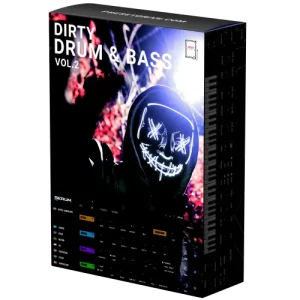
Dirty Drum & Bass Vol.2
Professional DnB presets for Serum. Reeses, neuro basses, subs, and more.
£29.99
Shop Now →Not sure yet? Grab our free taster pack first.


