What is Liquid Drum and Bass
Liquid Drum and Bass is the melodic, soulful side of DNB. While neurofunk and jump-up focus on aggressive bass and energy, liquid DNB prioritises musicality, emotion and atmosphere. It combines fast breakbeats with lush pads, warm basslines, vocal samples and melodic progressions that create an uplifting, emotional listening experience.
Artists like Calibre, London Elektricity, LSB, Etherwood, Maduk and Hybrid Minds define the liquid sound. Labels like Hospital Records, Spearhead Records and Liquicity have built their entire identity around this sub-genre. This guide covers how to produce liquid Drum and Bass.
Musical Foundations
Tempo
Liquid DNB typically sits at 170-174 BPM, slightly slower than jump-up or neurofunk. The lower tempo gives the music a more relaxed, rolling feel while still maintaining the energy that defines Drum and Bass.
Key and Harmony
Liquid DNB uses both major and minor keys. Major keys create euphoric, uplifting tracks while minor keys add depth and emotion. Common keys include A minor, C major, D minor and G major. Use extended chords (7ths, 9ths, sus chords) for the jazzy, soulful quality that defines liquid.
Chord Progressions
Popular liquid DNB progressions include:
- I – V – vi – IV: The classic pop/dance progression (C – G – Am – F in C major)
- i – VI – III – VII: The uplifting minor progression (Am – F – C – G in A minor)
- ii – V – I: Jazz-influenced progression for sophistication
- i – iv – v – i: Simple minor progression for darker liquid
Use inversions and voice leading to create smooth, flowing chord transitions. Each chord should connect naturally to the next.
Pad and Atmosphere Design
Warm Pads in Serum
Pads are essential in liquid DNB. In Serum, load a warm wavetable (Basic Shapes or Analog category). Use 4-8 voices of unison with gentle detune (0.05-0.10) for width. Set a slow attack (200-500ms) and long release (500ms-2s). Apply a low-pass filter at 5-8 kHz to remove harshness. Add chorus and reverb from the FX rack for depth and space.
Atmospheric Textures
Layer ambient textures underneath your pads. Use Serum noise oscillator with a filtered noise sample. Or use field recordings (rain, vinyl crackle, room tone) processed with reverb and filtering. These subtle textures add depth and character without drawing attention away from the main musical elements.
Piano and Rhodes
Piano and electric piano sounds are common in liquid DNB. Use a high-quality piano VST or sample library for realistic piano sounds. Process with subtle reverb and EQ to sit behind the drums. Electric piano (Rhodes, Wurlitzer) adds warmth and nostalgia. Keep piano parts simple and supportive rather than busy.
Bass in Liquid DNB
Sub Bass
Liquid sub bass should be clean, warm and musical. Use a sine wave or lightly saturated sine. Unlike jump-up or neurofunk, liquid sub bass often follows melodic patterns rather than simple root note drones. Programme the sub to follow your chord progression root notes for a musical low end.
Mid Bass
Liquid mid bass is warmer and less aggressive than other DNB sub-genres. Use a filtered saw or square wave with gentle modulation. A Reese bass with light detuning and soft filtering works perfectly. Keep the distortion minimal or use warm saturation rather than hard clipping. The mid bass should complement the pads and melody, not dominate them.
Bass Patterns
Liquid bass patterns are often simpler and more musical than jump-up patterns. Follow the chord roots with occasional melodic runs. Use longer notes that sustain and breathe rather than short, choppy patterns. Let the bass sit underneath the musical elements and provide warmth and weight without demanding attention.
Drum Programming for Liquid
Breakbeats
Liquid DNB drums are all about groove and feel. Use classic breaks (Amen, Think, Apache) as your foundation. Chop and rearrange them with subtle variations. The breaks should feel natural and flowing, not rigidly quantised. Small timing variations and ghost notes give liquid drums their human, organic quality.
Drum Sound Selection
Choose softer, warmer drum sounds compared to jump-up or neurofunk. The kick should have a rounded low end without an aggressive click. The snare should have body and warmth, perhaps with a bit of room reverb for space. Hi-hats should shimmer and breathe rather than cut aggressively.
Percussion
Add organic percussion layers: bongos, congas, shakers, tambourines. These elements add groove and texture. Process with reverb and subtle filtering. Pan percussion elements across the stereo field for width. The percussion should create a rich, layered rhythm that feels alive.
Reverb on Drums
Liquid DNB drums often have more reverb than other sub-genres. Use a short room or plate reverb on the snare for space. Add a longer ambient reverb on the drum bus (mixed very low) for depth. Be careful not to make the drums washy. The reverb should add space, not mud.
Melodic Elements
Lead Melodies
Liquid melodies are often simple and singable. Use sine or triangle-based sounds for warm, pure leads. Add vibrato via a slow, subtle pitch LFO. Keep melodies in the upper register (above 500 Hz) so they sit above the bass and pads. Write melodies that work with the chord progression rather than against it.
Vocal Processing
Vocals are a huge part of liquid DNB. Use vocal samples, acapellas or recorded vocals. Process with reverb, delay and gentle compression. Chop vocals into phrases and rearrange them for creative effect. Layer vocal harmonies for depth. The vocal should sit on top of the mix as the main focal point when present.
Arpeggios
Arpeggiated patterns add movement and energy to liquid tracks. Use a synth with a gentle tone playing arpeggiated chord tones at 8th or 16th note patterns. Filter and automate the arpeggio to rise and fall with the arrangement. Arpeggios work particularly well during builds and breakdowns.
Arrangement
Intro (16-32 bars)
Start with atmospheric elements: pads, ambient textures, maybe a vocal sample. Gradually introduce drums with a filtered or stripped-back version of the main beat. Build the musical elements layer by layer.
Verse/Build (16 bars)
Introduce the full drum pattern and bass. Add melodic elements gradually. If using vocals, the verse establishes the vocal theme. Keep the energy building toward the main drop.
Drop (32-64 bars)
Bring in all elements at full energy. The drop in liquid DNB is more about musical completion than impact. All the layers come together: drums, bass, pads, melody, vocals. Add subtle variations every 8-16 bars to maintain interest without disrupting the groove.
Breakdown (16-32 bars)
Strip back to atmospheric elements. This is where emotional moments happen: a vocal phrase over sparse pads, a piano solo, or a quiet bass note with reverb. The breakdown provides contrast and space before the second drop.
Mixing Liquid DNB
Space and Depth
Liquid mixes prioritise depth and space over raw power. Use reverb and delay to create a sense of three-dimensional space. Place elements at different depths: drums and bass upfront, pads and atmospheres further back, vocal effects in the distance.
Warmth
Use analogue-modelled saturation and tape emulation across your mix bus for warmth. Avoid harsh digital processing. Cut high frequencies gently above 12 kHz if the mix sounds brittle. Liquid should feel warm, smooth and inviting.
Dynamic Range
Preserve more dynamic range than you would in jump-up or neurofunk. Liquid DNB benefits from quiet moments and loud moments. Do not over-compress. Let the music breathe.
Presets for Liquid Production
Quality presets designed for bass music give you warm subs, musical mid-basses and textured sounds that work perfectly in liquid DNB. Start with a preset and shape it to fit your track musical direction.
Preset Drive DNB preset packs include warm sub basses, smooth Reese tones and atmospheric textures alongside heavier sounds. Use the macro controls to dial in the softer, warmer character that liquid demands.
Conclusion
Liquid Drum and Bass is about musicality, emotion and groove. Focus on warm pads, melodic content, musical bass patterns and organic-feeling drums. Let the music breathe with space, reverb and dynamic range. The best liquid tracks balance the energy of DNB with the emotion of soulful music.
Ready to explore liquid production? Browse our DNB preset collection for sounds that work across every Drum and Bass sub-genre.
Related Preset Packs
Looking for professional bass music presets? Check out these Serum preset packs:
- Dirty Drum & Bass Vol.1
- Dirty Drum & Bass Vol.2
- 100x Dirty Bass One Shots
- Dirty Bass Master Bundle Vol. 1 & 2
Get sounds that already sit in the mix
Skip the sound design. Our Serum packs and one-shots load straight into your DAW so you can finish a track tonight.
Ready to level up your sound?
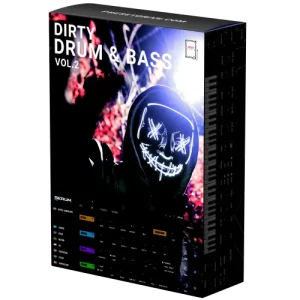
Dirty Drum & Bass Vol.2
Professional DnB presets for Serum. Reeses, neuro basses, subs, and more.
£29.99
Shop Now →New here? Start with our one-shots pack first.

