Two Genres, One Family
Drum and bass and jungle are closely related but distinctly different genres. Both emerged from the UK rave scene in the early 1990s, both use fast breakbeats, and both share a love for heavy bass. But their production techniques, cultural roots, and sonic characteristics set them apart. Understanding the differences helps you as a producer find your own style and produce more authentic music.
Origins and History
Jungle (Early 1990s)
Jungle emerged from the UK hardcore rave scene around 1991-1993. It was heavily influenced by Jamaican dancehall, reggae sound system culture, and early rave music. Producers like Remarc, DJ Zinc, and Congo Natty took breakbeats (especially the Amen break), sped them up to 150-170 BPM, and combined them with deep, rumbling sub bass and ragga vocal samples.
Jungle was a rebellious, underground sound that came from predominantly Black British communities in London, Bristol, and other UK cities. The music was raw, energetic, and deeply connected to sound system culture.
Drum and Bass (Mid 1990s Onwards)
Drum and bass evolved from jungle in the mid 1990s as producers started moving away from the ragga samples and breakbeat chopping towards cleaner production, more technical sound design, and a wider range of influences. Artists like Goldie, LTJ Bukem, and Roni Size helped define this shift.
DnB kept the fast tempo (170-180 BPM) and breakbeat foundation but became more diverse, splitting into numerous subgenres from liquid to neurofunk. It became more internationally recognised and commercially viable while maintaining its underground roots.
Key Musical Differences
Breakbeats
Jungle: Heavily chopped and manipulated breakbeats are the star of the show. The Amen break is the foundation, but Think, Apache, and Funky Drummer are also commonly used. Producers time-stretch, pitch-shift, reverse, and rearrange individual hits to create complex, rolling patterns. The breakbeat IS the groove.
Drum and Bass: While DnB uses breakbeats too, modern DnB production often combines chopped breaks with layered individual drum samples (kick, snare, hats programmed separately). The breaks provide groove while the layered samples provide punch and control. Many modern DnB tracks programme drums entirely from individual samples without using a traditional breakbeat at all.
Bass
Jungle: Bass in jungle is typically deep and simple. Clean sub bass (sine or triangle waves) with occasional pitch drops or wobbles. The bass follows the reggae tradition of being deep, warm, and felt in the chest. It does not compete with the breakbeat for attention.
Drum and Bass: DnB bass covers a massive range from simple subs to complex, layered sound design. Neurofunk uses multi-layered metallic bass, jump-up uses wobbly filtered bass, liquid uses warm melodic bass. The bass in DnB is often a more prominent element than in jungle.
Samples and Vocals
Jungle: Heavy use of ragga and dancehall vocal samples. MCs are central to jungle culture. Dub-style vocal effects (echo, reverb, delay) are common. Samples from Jamaican music, movies, and old records add texture.
Drum and Bass: Vocal usage varies by subgenre. Liquid DnB uses sung vocals and samples. Neurofunk might use no vocals at all. Jump-up uses MC-style vocals or samples. DnB draws from a wider range of vocal styles than jungle.
Structure and Arrangement
Jungle: Often more loose and organic in structure. Tracks can evolve gradually rather than having distinct build-drop sections. DJ-friendly sections with minimal elements for mixing. The energy is constant rather than building to peaks.
Drum and Bass: More structured, often with clear intros, builds, drops, breakdowns, and outros. Modern DnB, especially commercial styles, follows the build-drop format common in electronic music. The energy arc is more defined.
Production Techniques
Producing Jungle
Start with a breakbeat sample (the Amen is classic). Chop it in your DAW using Simpler, Slicex, or manual editing. Programme a pattern that emphasises the rolling, organic feel. Speed it up to 160-170 BPM. Layer a clean sub bass underneath. Add ragga vocal chops and dub effects. Keep the production raw and energetic.
See our guide to chopping Amen breaks for detailed breakbeat programming techniques.
Producing Drum and Bass
DnB production is more varied depending on the subgenre. Programme or layer your drums, design your bass (often in Serum or another synth), add melodic and atmospheric elements, and structure your arrangement. See our DnB subgenres guide for production notes on each style.
Which Should You Produce?
Many producers work across both genres. Jungle techniques (breakbeat chopping, dub processing) can enhance your DnB production. DnB sound design techniques can bring new textures to jungle tracks. The genres share DNA and cross-pollinate constantly.
Start with whichever excites you more, then explore the other. Our Dirty DnB Serum Presets include bass sounds that work in both jungle and modern DnB contexts. Get the full collection in the Dirty Bass Master Bundle.
Related Guides
Ready to level up your sound?
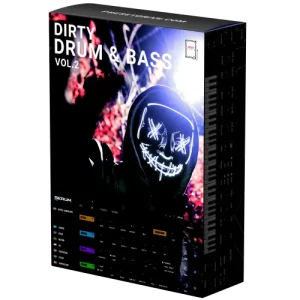
Dirty Drum & Bass Vol.2
Professional DnB presets for Serum. Reeses, neuro basses, subs, and more.
£29.99
Shop Now →Not sure yet? Grab our free taster pack first.

