
Why Vocals Work So Well in Bass Music
Vocals in bass music serve a different purpose than in pop or rock. They are often treated as textural elements, rhythmic tools, or atmospheric layers rather than traditional lead vocals. Chopped vocal stabs in DnB, pitched-down vocal growls in dubstep, and filtered vocal loops in bass house all add a human, organic quality that contrasts beautifully with the synthetic elements of bass music production.
Processing vocals for bass music is about experimentation and creativity. There are no strict rules, but there are techniques and tools that will help you get professional results quickly. Let us go through the key approaches.
Vocal Chopping Techniques
Vocal chops are everywhere in bass music. That classic DnB vocal stab or the glitchy vocal rhythm in bass house starts with good chopping technique.
Getting Started
Start with a dry vocal sample or acapella. Import it into your DAW and slice it into individual syllables, words, or even single phonemes. The shorter the chop, the more rhythmic and percussive it will sound. Longer chops retain more of the vocal character and melody.
Arrange your chops into rhythmic patterns that complement your beat. Try syncopated rhythms that play against the drums rather than following them directly. This creates tension and energy that drives the track forward.
Advanced Chopping
For more complex results, try reversing certain chops, layering multiple chops on top of each other, or using granular processing to stretch and manipulate tiny fragments of the vocal. Time-stretching individual chops to different lengths creates interesting rhythmic variations.
Pitching and Tuning Vocals for Bass Music
Pitch processing is essential for making vocals sit right in your track and for creating unique effects.
Pitch your vocal chops to match the key of your track. Even small pitch adjustments can make a vocal chop feel like it belongs in the mix rather than sitting on top of it. Most DAWs let you pitch individual audio clips in semitone increments.
For creative effects, try extreme pitch shifting. Pitching vocals down by 12 or even 24 semitones creates deep, demonic textures that work perfectly in dubstep and heavy bass music. Pitching up by 5 to 7 semitones gives you that classic chipmunk vocal sound popular in UK garage and some bass house.
Formant Shifting
Formant shifting lets you change the character of a voice without changing the pitch. Shifting formants up makes a voice sound smaller and thinner. Shifting down makes it sound larger and more imposing. Tools like Soundtoys Little AlterBoy, Manipulator by Polyverse, or even the built-in formant shifting in some DAWs give you this control.
Essential Vocal Effects for Bass Music
Reverb and Delay
Short reverbs and delays work best for vocal chops in busy bass music mixes. A tight plate reverb or a short room reverb adds space without washing things out. For atmospheric sections and breakdowns, longer reverb tails can create beautiful, expansive vocal textures.
Ping-pong delay and dotted eighth-note delays are great for creating rhythmic interest from simple vocal chops. Automate the feedback and mix controls to build intensity during transitions.
Filtering and EQ
High-pass filtering is essential for keeping vocal chops out of the sub bass range. A filter sweep on vocal chops, opening up from a low cutoff to full brightness, is a classic bass music production move.
Band-pass filtering creates that classic telephone or radio vocal effect, perfect for intros and breakdowns. Try automating the filter cutoff for movement and interest.
Distortion and Saturation
Running vocals through distortion or saturation can create incredible textures. Light saturation adds warmth and presence. Heavy distortion turns clean vocals into aggressive, almost synth-like textures that blend with your bass sounds.
Putting It All Together
The best vocal processing in bass music often combines multiple techniques. Chop a vocal, pitch it down, run it through distortion, then add a short reverb. Or pitch it up, filter it, and chop it into a rhythmic pattern. The possibilities are endless.
Layer your processed vocals with your synth elements for hybrid textures. A vocal chop layered with a Serum bass patch can create something neither element achieves alone. Speaking of Serum, the noise oscillator can actually load vocal samples for unique textural effects.
For Serum presets that incorporate vocal textures and creative processing, browse the Preset Drive shop. And if you want to get your hands on some quality starting points for free, download the free Serum taster pack and start experimenting with layering vocals over professional bass presets today.
Ready to level up your sound?
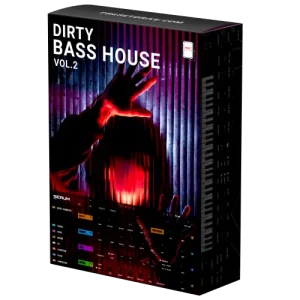
Dirty Bass House Vol.2
Punchy bass house presets built for heavy drops and groovy basslines.
£29.99
Shop Now →Not sure yet? Grab our free taster pack first.
