What Is Techstep DnB
Techstep is the darker, more industrial side of drum and bass. Emerging in the mid-to-late 90s with artists like Ed Rush, Optical, Dom and Roland, and Technical Itch, techstep stripped away the musical elements of jungle and replaced them with cold, mechanical textures, distorted basslines, and dystopian atmospheres. The genre is designed to sound like machines in a dark factory, all sharp edges and metallic resonance.
In 2026, techstep has evolved but the core aesthetic remains: dark, heavy, industrial, and relentless. Modern techstep incorporates elements of neurofunk, industrial techno, and experimental bass music while maintaining the raw, mechanical character that defines the genre. Producing techstep in Serum is a natural fit because Serum excels at creating cold, digital, processed bass textures.
Dark Drum Design
The Industrial Break
Techstep drums are heavy, processed, and intentionally harsh. Start with a raw break sample and process it aggressively. Apply bitcrushing at a moderate depth to add digital grit. Use distortion on the drum bus (tape saturation or waveshaping) to make the breaks sound like they are coming through damaged equipment.
The kick should be deep and industrial. Layer a synthesised kick (low sine wave with fast pitch envelope) with a processed acoustic kick that has been distorted and compressed. The combination gives you sub weight from the synth layer and aggressive character from the processed acoustic layer.
Snares should crack hard with metallic overtones. Add a short, filtered noise burst to your snare for an industrial character. Process the snare with a transient shaper to emphasise the attack, then add a short plate reverb with heavy high-pass filtering to give it space without warmth.
Percussive Textures
Add industrial percussion elements: metal hits, machine clicks, hydraulic sounds, and processed found-sound recordings. These should be scattered through the pattern at varying velocities and timings, creating an unpredictable, mechanical groove. Process everything through a bus compressor to glue it together.
Designing Techstep Bass in Serum
The Distorted Reese
The techstep Reese is darker and more aggressive than the standard DnB Reese. Start with two saw waves detuned by about 15 to 20 cents. Add moderate unison (3 voices per oscillator) for density. Route through a low-pass filter set fairly low (around 600 to 800 Hz) to create a dark, ominous tone.
Apply heavy distortion using the “Downsample” mode for digital harshness, followed by “Tube” saturation for body. The combination creates a bass that sounds like it is being transmitted through broken electronics. Add a slow LFO to the filter cutoff for sweeping movement that reveals and hides different harmonics over time.
Metallic and Industrial Bass
For more obviously industrial bass tones, use FM synthesis as your primary sound source. Set Oscillator A to a sine wave and enable FM from Oscillator B (also a sine wave at a different ratio). High FM depth creates complex, metallic overtones. Automate the FM amount and the frequency ratio of Oscillator B for evolving, mechanical textures.
The comb filter is essential for techstep. It adds metallic resonance and flanger-like qualities that perfectly suit the industrial aesthetic. Set it to a moderate feedback and automate the frequency for sweeping metallic tones. Layer this with a standard low-pass filtered Reese for both warmth and metallic harshness.
Find dark, industrial bass presets in the Preset Drive shop.
Atmosphere and Texture
Techstep tracks rely heavily on dark atmospheric elements. Create ambient pads using Serum with heavy reverb and delay, processed through bitcrushing and distortion to make them sound corroded and decayed. Use low-frequency drones, industrial noise textures, and processed field recordings to build a sense of darkness and unease.
Reverse reverb effects on vocal samples or synth hits create tension and anticipation. Record a reverb tail, reverse it, and place it before the original hit for a sucking, building effect that works perfectly in techstep builds and transitions.
Detuned pad chords in minor keys or dissonant intervals set the harmonic tone. Avoid consonant, pleasant harmonies. Techstep should feel uncomfortable and tense. Use minor seconds, tritones, and cluster chords for maximum darkness.
Mixing Dark and Heavy
Techstep mixes should be heavy in the lows and mids with controlled, harsh highs. Do not brighten the mix with air boosts or sparkle. Keep the top end dark and contained. EQ your master bus with a gentle shelf cut above 8 kHz to maintain the industrial, underground feel.
Compression should be aggressive. Use heavy parallel compression on the drum bus and moderate compression on the bass bus. The overall mix should feel dense and relentless, with minimal dynamic range in the loudest sections. Sidechain compression between kick and bass should be tight and aggressive (8 to 12 dB duck) for a pumping, mechanical feel.
Download the free Serum taster pack to start building dark bass sounds for your techstep productions.
Enter the Dark Side
Techstep rewards a specific mindset: dark, industrial, uncompromising. Focus on aggressive drum processing, cold metallic basses, and dystopian atmospheres. Strip away anything pretty or musical and embrace the machine aesthetic. Get the dark bass sounds you need from Preset Drive and start crafting industrial DnB.
Ready to level up your sound?
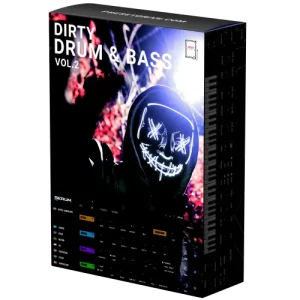
Dirty Drum & Bass Vol.2
Professional DnB presets for Serum. Reeses, neuro basses, subs, and more.
£29.99
Shop Now →Not sure yet? Grab our free taster pack first.

