

The Speed Garage Sound
Speed garage is one of the most distinctive sounds to come out of the UK underground. Emerging in the mid-90s from the intersection of jungle, house, and garage, speed garage is defined by its warped, time-stretched basslines, shuffling 2-step rhythms, and raw dancefloor energy. Artists like DJ EZ, Tuff Jam, and Armand Van Helden created tracks that defined an era of UK dance music, and the sound is enjoying a serious revival in 2026.
The signature speed garage bass is created by time-stretching a bass sample until it becomes a warped, distorted, pitched-down tone. Originally achieved using hardware samplers like the Akai S950, this sound can now be recreated convincingly in Serum with the right techniques.
Creating the Classic Speed Garage Bass in Serum
The Time-Stretched Bass Technique
The authentic speed garage bass starts with a bass sample that gets extreme time-stretching. In Serum, you can approximate this by importing a short bass hit as a wavetable. Record a bass note from Serum (a simple saw or square bass), then re-import the audio into Serum wavetable editor. The wavetable analysis captures snapshots of the sound that, when swept through slowly, recreate the warped, granular quality of time-stretched bass.
Set the wavetable position to sweep slowly through the table using an LFO at a very slow rate. This creates the characteristic morphing, shifting quality. Add the “Hyper” unison mode for width and subtle detuning. The result should sound thick, warped, and slightly unstable, exactly like an old sampler struggling to time-stretch a bass hit.
The Pitched-Down Approach
Another approach is to start with a bass patch pitched down one or two octaves lower than normal. Use a saw wave with heavy unison (5 to 7 voices) and moderate detune. This creates a dense, chorused texture. Apply a low-pass filter at around 400 to 800 Hz to remove harsh highs and keep the tone warm and full.
Add subtle pitch modulation with an LFO at a very slow rate, modulating pitch by about 5 to 10 cents. This wobble adds the instability and movement characteristic of speed garage bass. The sound should feel like it is alive and slightly unpredictable, not perfectly static and digital.
The 2-Step Drum Pattern
Programming the Core Groove
Speed garage drums use a shuffled 2-step pattern at around 130 to 138 BPM. The kick sits on beat one and the “and” of beat two. The snare or clap hits on beats two and four. Hi-hats play a swung sixteenth-note pattern with accent on the offbeats. The swing amount should be around 60 to 65 percent for that authentic shuffle.
Use a deep, round kick drum with moderate sustain. Avoid the sharp, clicky kicks used in modern house. The speed garage kick should blend with the bass rather than cutting through it aggressively. A gentle high-pass at 30 Hz and light compression keeps it controlled.
Adding Percussion Elements
Tambourines, shakers, and bongo samples add rhythmic complexity. Layer a tambourine on the offbeats for a driving groove. Bongo patterns add a live, organic feel. Process all percussion through a gentle bus compressor to glue the rhythm section together.
Open hi-hats on specific offbeats create the signature “swing” of speed garage. Do not put open hats on every offbeat, just on beats that emphasise the shuffle. Listen to classic speed garage tracks and pay attention to where the open hats land for reference.
Arrangement and Production Elements
Speed garage arrangements follow house music structure: intro, verse, chorus, breakdown, drop. The breakdown typically strips back to just a vocal hook or atmospheric element before the bass comes crashing back in. Vocal samples, especially pitched-down or chopped R&B vocals, are a staple of the genre.
Organ stabs and chord hits add harmonic content. Use short, punchy chord stabs with a quick decay and a touch of reverb. A minor 7th or dominant 7th chord voiced in a tight range works perfectly. Time the stabs to the offbeats for syncopated rhythmic interest.
Explore bass presets suited for UK underground production in the Preset Drive shop.
Mixing Speed Garage
Speed garage mixes should feel warm, full, and slightly rough around the edges. Do not over-polish the mix. A touch of harmonic distortion on the master bus, gentle tape saturation on the drums, and a warm overall EQ curve give the track that analog, underground character.
The bass should dominate the low-mid frequency range. Let it be big and take up space. Sidechain it gently to the kick (4 to 6 dB duck) so the kick can be felt without cutting the bass energy dramatically. The interplay between kick and bass should feel smooth and continuous, not choppy.
Try the free Serum taster pack to experiment with different bass tones for your speed garage productions.
Bring Back the Garage Sound
Speed garage is timeless because the groove is irresistible. Master the warped bass sound, nail the 2-step drum shuffle, and keep the production raw and energetic. The UK underground sound is alive and well in 2026. Get the bass sounds you need from Preset Drive and start making speed garage bangers.
Ready to level up your sound?
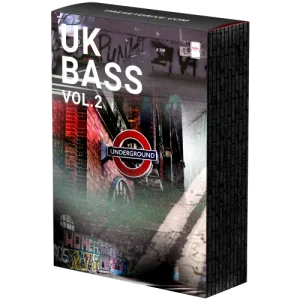
UK Bass Vol.2
Authentic UK bass presets. Garage, bassline, and 2-step sounds for Serum.
£29.99
Shop Now →Not sure yet? Grab our free taster pack first.
