Understanding the Excision Sound
Excision is one of the most recognisable names in heavy dubstep. His signature sound is built around absolutely massive bass tones that combine extreme low-end weight with aggressive mid-range distortion. Tracks like Throwin Elbows, Virus, and Gold are masterclasses in heavy sound design. The basses are thick, layered, and processed to the point where they feel physical rather than just audible.
Recreating this style in Serum is absolutely possible. The key ingredients are aggressive wavetables, heavy distortion chains, careful EQ sculpting, and meticulous layering. You will not get there with a single oscillator and a bit of drive. This is about stacking multiple processing stages to create something truly massive.
Building the Foundation Bass
Oscillator Setup
Start with Oscillator A loaded with a harmonically rich wavetable. The “Analog_BD_Sin” or “Monster” tables are good starting points. Set the wavetable position to somewhere in the middle where you get a complex harmonic structure. Add 2 to 4 unison voices with light detune for width.
Oscillator B should run a different wavetable to add tonal contrast. Try “Digital” or “Growl” tables. Blend Oscillator B in at about 40 to 60 percent volume. The combination of two different wavetable characters creates harmonic complexity that a single oscillator cannot achieve on its own.
FM and Ring Modulation
Enable FM from B to A at a moderate depth. This adds inharmonic overtones and metallic textures to your bass. Automate the FM amount for movement, sweeping it slowly during sustained notes. Ring modulation is another option for creating harsh, aggressive tones. Use it sparingly as it can make the sound unmusical quickly.
Route both oscillators through Filter 1 set to a low-pass with moderate resonance. Use an envelope to control the filter cutoff, giving the bass an evolving character on each note. A medium attack with a slow decay creates that swelling, growling quality that Excision basses are known for.
The Distortion Chain
This is where the Excision sound really comes together. You need multiple stages of distortion, each adding different harmonic characteristics. In Serum FX, start with the Distortion module set to “Hard Clip” mode with moderate drive. This squares off the waveform and adds aggressive odd harmonics.
Follow this with a second distortion stage using “Tube” mode at lower drive. The tube saturation smooths out some of the harshness from the hard clip while adding warmth and even harmonics. This combination of hard then soft distortion creates a dense, full spectrum bass sound.
After distortion, add a Multiband Compressor to control the dynamics. The bass frequencies should be compressed more heavily than the mids and highs. This keeps the sub content consistent while allowing the mid-range distortion to be dynamic and expressive.
Explore heavy bass presets built with these exact techniques in the Preset Drive shop.
Layering for Maximum Weight
Sub Layer
Create a separate sub layer using a pure sine wave at the fundamental frequency. This provides the clean, powerful low-end weight that sits below all the distortion and mid-range chaos. High-pass your main bass at around 80 to 100 Hz and let the sine sub handle everything below that. This gives you independent control over the sub content.
Top Layer
For extra presence and aggression, create a third layer that handles the upper mid-range and high frequencies. Use a wavetable with lots of harmonic content, heavy distortion, and a high-pass filter removing everything below 500 Hz. This “air” layer adds sizzle and definition to your bass without interfering with the sub or main mid-range layer.
The total sound is three layers working together: clean sub below 100 Hz, distorted mid-range from 100 to 2000 Hz, and a bright top layer above 2000 Hz. Each layer is processed independently and mixed to taste. This is how Excision and similar heavy dubstep producers create that wall-of-sound bass tone.
Processing and Effects
After your distortion chain, add EQ to shape the tonal character. Cut any muddy frequencies around 200 to 400 Hz. Boost slightly around 1 to 2 kHz for presence and 3 to 5 kHz for bite. The specific frequencies depend on your wavetable choices, so use your ears and sweep around to find the sweet spots.
Compression is essential. Use a compressor with a fast attack and medium release to control peaks and add sustain. The bass should feel consistent and relentless, not dynamically unpredictable. Aim for 4 to 6 dB of gain reduction on the loudest peaks.
For movement, automate wavetable position, filter cutoff, and distortion drive throughout your bass pattern. Static bass sounds get boring fast. Even subtle automation over a 2 or 4-bar phrase keeps the listener engaged and creates the evolving, living quality of professional heavy dubstep.
Get started with heavy dubstep sound design by downloading the free Serum taster pack and studying how the presets are constructed.
Bring the Heavy Bass
The Excision sound is about layers, distortion, and attention to detail. Build your foundation with rich wavetables and FM synthesis, process through multiple distortion stages, layer your sub and top frequencies separately, and automate everything for movement. It takes practice, but once you understand the principles, you can create basses that shake rooms. Check out the full heavy dubstep preset collection at Preset Drive to accelerate your sound design journey.
Ready to level up your sound?
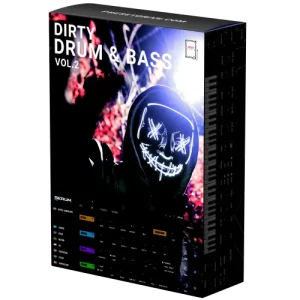
Dirty Drum & Bass Vol.2
Filthy bass presets for dubstep and riddim. Growls, wobbles, and screeches.
£29.99
Shop Now →Not sure yet? Grab our free taster pack first.

