What Is OTT Compression?
OTT stands for Over The Top, and it is the single most important effect in modern bass music production. It is a multiband upward compressor that brings quiet details up to the level of loud elements, creating an extremely detailed, in-your-face sound. Originally a preset in Ableton Live Multiband Dynamics, OTT has become so essential that Xfer (the makers of Serum) released it as a free standalone plugin.
If you produce dubstep, drum and bass, bass house, or any bass-heavy genre, understanding OTT is non-negotiable. This guide explains exactly what it does, how to use it, and when to use it.
How OTT Works
Multiband Processing
OTT splits your signal into three frequency bands: low, mid, and high. Each band is compressed independently. This means it can bring up quiet details in the high frequencies without affecting the sub bass, or tighten the low end without squashing the mids.
Upward Compression
Unlike regular compression which turns loud signals down, upward compression turns quiet signals up. This is why OTT makes sounds feel more detailed and present. Every subtle harmonic, every quiet modulation, every tiny texture gets pushed up to be heard.
The Depth Control
The most important parameter in OTT is the Depth knob. At 100%, OTT applies full upward and downward compression across all bands. This is usually too much for most applications. Start at 30% and increase until you find the sweet spot for your sound. Most bass music producers use OTT somewhere between 20-60% depth.
Using OTT on Bass Sounds
On Serum Bass
Place OTT directly after Serum on your bass channel. Start with 30% depth and slowly increase. Listen for the details emerging: the wavetable harmonics becoming clearer, the filter modulation becoming more pronounced, the distortion harmonics gaining presence.
Be careful not to overdo it. Too much OTT on bass can make it sound thin and harsh because the quiet upper harmonics get pushed too loud relative to the fundamental. If the bass loses its weight, reduce the depth or reduce the high band amount.
On Dubstep Bass
Dubstep bass typically uses more OTT than other genres. 40-60% depth is common for heavy dubstep, riddim, and tearout. The extreme detail that OTT reveals is part of the genre aesthetic. Every growl, screech, and wobble gets amplified.
For riddim specifically, OTT is often placed both on individual bass channels AND on the bass bus. The double application creates that ultra-detailed, hyper-present sound that defines modern riddim production.
On Drum and Bass
DnB uses OTT more subtly than dubstep. 20-40% depth on bass sounds brings out the detail without overwhelming the mix. On drums, light OTT (15-25%) can bring out ghost notes and room tone in breakbeats, adding groove and character.
On Bass House
Bass house sits between DnB and dubstep in terms of OTT usage. 30-50% depth on the main bass sound works well. It brings out the growl and filter movement while keeping the four-on-the-floor groove intact.
OTT in Your DAW
Ableton Live
Ableton has OTT built in. Load Multiband Dynamics from the Audio Effects browser, then click the Presets dropdown and select OTT. Adjust the Amount (Depth) knob to taste. You can also adjust each band individually for more precise control.
FL Studio
FL Studio does not have a built-in OTT, but Maximus can achieve similar results. Load Maximus, enable all three bands, set the compression ratio high on each band, and lower the thresholds. Alternatively, download the free Xfer OTT plugin and load it as a VST.
Any DAW (Free OTT Plugin)
Download the free OTT plugin from Xfer Records. It works in any DAW as a VST or AU plugin. The interface is simple: a Depth knob, three band level controls (Low, Mid, High), and input/output trim. It sounds identical to the Ableton version.
Advanced OTT Techniques
Parallel OTT
Instead of placing OTT directly on a channel, send the signal to a return/bus track with OTT at 100% depth. Then blend the heavily compressed signal with the dry original. This gives you the detail and presence of OTT while maintaining the dynamics and weight of the original sound.
OTT Before vs After Distortion
Placing OTT before distortion pushes more detail into the distortion, creating a more aggressive, harmonically complex result. Placing OTT after distortion brings out the distortion harmonics and detail. Try both and choose based on the sound you want.
Automating OTT Depth
Automate the OTT depth throughout your track. Less OTT during breakdowns for a more dynamic, breathing feel. More OTT during drops for maximum impact and detail. This creates contrast between sections that keeps the listener engaged.
Get Sounds That Respond Well to OTT
Well-designed Serum presets with rich harmonic content respond beautifully to OTT processing. Our Serum preset packs are designed with OTT in mind, featuring presets with detailed wavetable modulation and layered harmonics that come alive with compression. Browse our Dirty Bass Master Bundle for the complete collection.
PHP: 2026-03-08 20:24:16 [notice X 0][/var/www/presetdrive/wp-content/plugins/elementor-pro/modules/forms/submissions/actions/save-to-database.php::193] {closure:ElementorPro\Modules\Forms\Submissions\Actions\Save_To_Database::__construct():193}(): Implicitly marking parameter $exception as nullable is deprecated, the explicit nullable type must be used instead [array (
‘trace’ => ‘
#0: Elementor\Core\Logger\Manager -> shutdown()
‘,
)]
Related Guides
Ready to level up your sound?
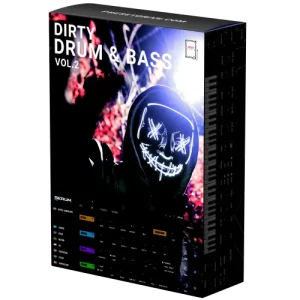
Dirty Drum & Bass Vol.2
Filthy bass presets for dubstep and riddim. Growls, wobbles, and screeches.
£29.99
Shop Now →Not sure yet? Grab our free taster pack first.


