10 Must-Have Serum Bass Presets Every Producer Needs
Bass is the foundation of pretty much every genre that matters right now. DnB, dubstep, bass house, UK bass, trap, even pop music leans heavily on low-end weight these days. And when it comes to bass sound design in a software synth, Serum is king.
But here is the thing. You do not need 500 presets to produce great bass music. You need 10 solid ones that cover all the essential bass types, and the knowledge to shape them into something unique. This guide covers the 10 bass preset categories you should have in your library, with practical tips for using each one.
1. The Sub Bass
Every track needs a clean sub. This is the foundation that everything else sits on top of. A good sub bass preset in Serum uses a simple sine or triangle wave with minimal processing. No unison, no effects, no distortion. Just pure low-end weight.
Production tip: Keep your sub in mono and roll off everything above 150-200Hz. Let other bass layers handle the mid-range and top-end. A lot of beginners try to make one bass preset do everything and end up with muddy mixes.
Where to find it: Serum’s factory presets include a basic sine sub that works fine. For something more refined with subtle harmonics, the bass presets in Dirty Drum and Bass Vol.1 include some excellent clean subs.
2. The Reese Bass
The reese is the backbone of DnB, dubstep, and UK bass. It is that thick, detuned, swirling bass sound that fills the mid-range with movement. In Serum, a good reese uses two slightly detuned saw waves with some unison spread.
Production tip: Automate the filter cutoff on your reese to create movement throughout the track. A static reese sounds flat and boring. Also, try running it through a phaser or flanger to add extra swirl.
Where to find it: Almost every bass music preset pack includes reeses. The Dirty Drum and Bass Vol.2 pack has some particularly nasty reeses that sound incredible with automation.
3. The Growl Bass
Growl basses are the signature sound of modern dubstep, riddim, and heavy DnB. They use complex wavetables with formant-like characteristics that give the bass a vocal, almost organic quality. In Serum, these typically involve custom wavetables run through heavy distortion and filtered with band-pass or comb filters.
Production tip: Growls sound best when you pitch-bend them. Assign pitch bend to your mod wheel or automate it in your DAW. The pitch movement is what gives growls their aggression.
Where to find it: This is where good preset packs really shine because building growl basses from scratch takes serious sound design knowledge. The Dirty Bass House Vol.2 pack has some wicked growls that respond beautifully to automation.
4. The Wobble Bass
The classic wobble is an LFO-modulated bass that moves rhythmically. It is the sound that put dubstep on the map back in the late 2000s and it is still used heavily in modern bass music, just in more sophisticated ways.
Production tip: Sync your LFO rate to your project tempo and experiment with different LFO shapes. A sine LFO gives you a smooth wobble, a square gives you a rhythmic chop, and a more complex shape creates unpredictable movement. Try automating the LFO rate from slow to fast for build-ups.
Where to find it: Most dubstep preset packs include wobbles. The key is finding ones with proper macro control so you can adjust the rate and depth in real-time.
5. The Neuro Bass
Neuro basses are tightly modulated, glitchy, robotic sounds that are essential in neurofunk DnB, midtempo, and modern dubstep. They typically use FM synthesis or complex wavetable modulation with fast LFOs and envelope-controlled filters.
Production tip: Neuro basses work best when you chop them up. Bounce your neuro preset as audio, then slice and rearrange the chunks to create rhythmic patterns. This is how producers like Noisia and Current Value build their bass patterns.
Where to find it: Neuro sounds are hard to design from scratch. Dedicated bass music packs like the Drum and Bass preset collections at Preset Drive are a solid starting point.
6. The Acid Bass
The squelchy, resonant filter sweep sound that originally came from the Roland TB-303. In Serum, you recreate it with a saw wave through a resonant low-pass filter with envelope modulation. It works in acid house, bass house, techno, and even some DnB tracks.
Production tip: Crank the filter resonance and use a short envelope to modulate the cutoff. The “acid” quality comes from that filter spike at the start of each note. Slide notes add extra character, so use portamento or glide settings.
Where to find it: Bass house preset packs often include acid-style patches. The Dirty Bass House Vol.1 has some great acid bass starting points.
7. The FM Bass
FM basses use frequency modulation to create metallic, bell-like, or aggressive bass tones. In Serum, you can use the FM from B feature on oscillator A to create these sounds. They are popular in riddim, colour bass, and experimental bass music.
Production tip: Small changes in the FM amount create huge tonal shifts. Automate the FM depth for evolving bass lines. Also, try using different waveforms in the modulator oscillator for wildly different results.
8. The Filtered Saw Bass
Sometimes simple is best. A filtered saw bass is just a saw wave (often with some unison) run through a low-pass filter. It is the workhorse bass of countless genres from future bass to house to pop. Clean, reliable, and sits in a mix beautifully.
Production tip: Layer a filtered saw with a clean sub underneath. The saw handles everything from 100Hz upwards while the sub fills out the very bottom. This two-layer approach gives you a bass sound that works on any speaker system.
9. The Detuned Super Saw Bass
Take a saw wave, crank the unison to 7 voices, spread the detune, and you get that massive, wide, aggressive bass sound used in everything from future bass to heavy dubstep. In Serum, you can fine-tune the unison spread and stack to get the exact width you want.
Production tip: Use Serum’s hyper/wavetable unison mode for a more interesting texture than standard detune. Also, be careful with the stereo width. Too much spread and your bass disappears on mono systems. Always check in mono.
10. The Vocal/Formant Bass
These basses use formant filters or vowel-shaped wavetables to create sounds that mimic human vocals. They are huge in colour bass, experimental dubstep, and modern bass music. Think Virtual Riot or Au5 style patches.
Production tip: Map different vowel formants to a macro knob so you can morph between “ah”, “oh”, “ee” sounds in real-time. This creates incredibly expressive bass lines that stand out in a mix.
Where to find it: Formant basses require complex wavetable work. Quality preset packs are the fastest way to get these sounds. Check the UK Bass Vol.2 pack for some creative vocal-style bass presets.
Building Your Bass Preset Library
You do not need to buy every preset pack that exists. Start with packs that cover multiple bass types across your preferred genres. A bundle like the Dirty Bass Master Bundle gives you hundreds of presets across DnB, bass house, and UK bass, covering most of the categories in this list.
Once you have a solid foundation, spend time learning how each preset is built. Open them up, look at the routing, study the modulation. That is how you go from being someone who uses presets to someone who creates original sounds.
Quick Tips for Managing Your Presets
- Organise your presets into folders by type (sub, reese, growl, wobble, etc.)
- Rename your favourites with a prefix like “FAV_” so they are easy to find
- Create “starter” versions of presets you like by stripping back the effects chain
- Save your own variations when you tweak a preset into something new
Final Thoughts
These 10 bass types cover everything you need for modern bass music production. Whether you are making DnB, dubstep, bass house, or anything in between, having a solid example of each one in your Serum library means you always have a starting point ready to go.
Browse the full range of bass presets at www.presetdrive.com and find your sound.
—
Ready to level up your sound?
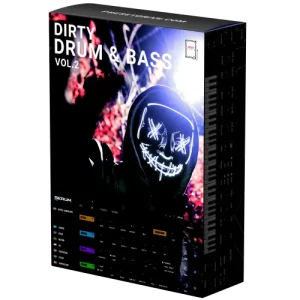
Dirty Drum & Bass Vol.2
Filthy bass presets for dubstep and riddim. Growls, wobbles, and screeches.
£29.99
Shop Now →Not sure yet? Grab our free taster pack first.


