What Is Melodic Dubstep?
Melodic dubstep combines the heavy bass drops of dubstep with beautiful melodies, emotional chord progressions, and atmospheric sound design. It is the genre that proves bass music can be both powerful and deeply moving. Artists like Seven Lions, Au5, Illenium, and Said The Sky have built massive followings with this sound.
Unlike aggressive subgenres like riddim or tearout, melodic dubstep prioritises musicality. The drops still hit hard, but they are built on chord progressions and melodic basslines that give the music an emotional depth that pure aggression cannot achieve.
Sound Design Fundamentals
The Melodic Bass Sound
Melodic dubstep bass sounds are harmonically rich and musical. In Serum, start with a supersaw patch: Oscillator A with a saw wavetable, 7 unison voices, moderate detune (around 0.15). This gives you the wide, lush tone that defines melodic dubstep.
Add Oscillator B with a different wavetable for texture. Try something in the Digital or Spectral categories. Blend it below Oscillator A at about 20-30% volume. The combination of a clean supersaw and a textured secondary oscillator creates complexity without harshness.
Chord-Based Drop Design
Many melodic dubstep drops use chords rather than single bass notes. Keep Serum in polyphonic mode and write your drop using minor 7th, sus4, or add9 chords. These chord types create the bittersweet, emotional quality the genre is known for.
Process the chord bass with moderate saturation (Warm Tube in Serum works well) and a touch of OTT at 20-30% depth. You want enough aggression to hit hard on a sound system but enough clarity to hear the chord harmony.
The Sub Layer
Always separate your sub bass from your melodic bass. Use a clean sine sub bass that follows the root note of each chord. High-pass your melodic bass at 100-120Hz and let the sub handle everything below. This keeps the low end clean while your melodic bass carries the harmonic interest in the mids and highs.
The Build and Drop Structure
Building Tension
Melodic dubstep builds are where the emotion lives. Use sustained pad chords, arpeggiated synths, and vocal layers during the build. Slowly introduce elements: start with a pad, add a pluck arpeggio, layer in vocals, then add drums one element at a time.
Filter automation is crucial. Automate a low-pass filter on your main synth layers from closed to open over 8-16 bars. This creates a natural sense of building energy. Add a white noise riser and pitch-rising effects in the last 4 bars before the drop.
The Drop
The drop in melodic dubstep should feel like an emotional release. Everything opens up: the bass chord hits, the drums come in full force, and the melody soars. Use sidechain compression to create space between the kick and bass, but keep it more subtle than in aggressive dubstep. You want groove, not pumping.
Alternate between chord bass sections and single-note melodic basslines within the drop. This creates variety and keeps the energy moving across 16-32 bars.
Essential Production Techniques
Reverb and Space
Melodic dubstep uses more reverb than most bass genres. Create a reverb send with a medium-long decay (2-3 seconds) and send your pads, vocals, and melodic elements to it. High-pass the reverb at 200Hz to keep the low end clean.
Use a shorter, tighter reverb on your bass sounds. Just enough to give them space without muddying the low end. Pre-delay of 20-40ms helps the bass stay clear while still sitting in the reverb space.
Vocal Processing
Vocals are central to melodic dubstep. Whether you use full vocal takes or chopped vocal samples, process them with reverb, delay, and pitch effects. Try pitching vocal chops up by 5-7 semitones for that signature ethereal quality.
Layer multiple vocal takes and pan them wide for a massive stereo image. Use formant shifting to create harmonies from a single vocal take.
Layering Synths
Melodic dubstep relies heavily on layered synths. A typical drop might use: a sub bass layer, a chord bass layer, a high lead melody, a pad for width, and a pluck for rhythm. Each layer occupies a different frequency range and plays a different role in the arrangement.
Mixing Melodic Dubstep
The challenge in mixing melodic dubstep is balancing the heavy bass with the melodic elements. Give the bass power in the low end (60-200Hz) but make sure it does not mask the chord harmonics (200-2kHz). Use multiband compression to control the bass in different frequency bands independently.
Keep your melodic elements bright and clear above 2kHz. Use a high shelf boost on leads and vocals to help them cut through the dense bass layer. And always check your mix in mono to ensure nothing disappears when the stereo field collapses.
Get the Right Sounds
Quality presets accelerate your melodic dubstep workflow. Our Serum preset packs include bass sounds with the harmonic depth needed for melodic productions. Start with a preset, shape it with the macros, and build your emotional drop around it.
The Dirty Bass Master Bundle gives you the complete bass palette to work with across multiple genres and styles.
PHP: 2026-03-08 20:24:08 [notice X 0][/var/www/presetdrive/wp-content/plugins/elementor-pro/modules/forms/submissions/actions/save-to-database.php::193] {closure:ElementorPro\Modules\Forms\Submissions\Actions\Save_To_Database::__construct():193}(): Implicitly marking parameter $exception as nullable is deprecated, the explicit nullable type must be used instead [array (
‘trace’ => ‘
#0: Elementor\Core\Logger\Manager -> shutdown()
‘,
)]
Related Guides
Ready to level up your sound?
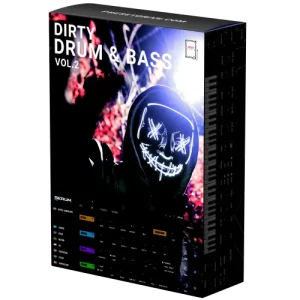
Dirty Drum & Bass Vol.2
Filthy bass presets for dubstep and riddim. Growls, wobbles, and screeches.
£29.99
Shop Now →Not sure yet? Grab our free taster pack first.


