What Defines the Jump Up DnB Sound
Jump up drum and bass is all about energy, simplicity, and dancefloor impact. Unlike neurofunk or liquid, jump up strips everything back to the essentials: a hard-hitting break, a massive rolling bassline, and relentless energy from start to finish. Think DJ Hazard, Macky Gee, Tyke, and Annix. The basslines are fat, the drops are instant, and the tracks are designed to make people move.
The typical jump up track runs at 172 to 176 BPM with a straightforward arrangement. Intro, buildup, drop, breakdown, second drop, outro. No complex song structures or progressive builds. Just pure, unfiltered energy. The bass sounds range from wobbly mid-range growls to thick, distorted foghorns and everything in between.
Essential Drum Patterns for Jump Up
The Core Break
Jump up drums are punchy and direct. Start with a kick on beat one and the and of beat two. Your snare sits on beats two and four, classic DnB placement. The hi-hat pattern can be straight eighths or a more syncopated pattern with ghost notes on the offbeats. Keep it tight and do not over-complicate things.
Layer your kick drum with a sub layer tuned to your track key. Use a short sine wave hit around 50 to 60 Hz underneath the acoustic kick sample. This adds weight without muddying the low end. Your snare should be bright and cracking, with a lot of top-end presence to cut through the bass.
Adding Groove with Ghost Hits
Ghost snares and ghost kicks at lower velocities between the main hits add shuffle and swing to your beat. Place quiet snare hits on the offbeats at about 30 to 40 percent velocity. This creates the rolling, infectious groove that makes jump up so danceable. Do not overdo it though. Two or three ghost hits per bar is usually enough.
Designing Jump Up Basslines in Serum
The Classic Wobble Bass
Load up Serum and start with a saw wave in Oscillator A. Add some unison voices (3 to 5 at moderate detune) for width. Route the output through a low-pass filter and assign an LFO to the filter cutoff. Set the LFO rate to a synced value like 1/4 or 1/8 notes. This gives you the classic wobble that defines jump up DnB.
For more aggression, enable Oscillator B with a square wave one octave below and blend it in at about 30 percent. Add distortion in the FX chain, either the Tube or Hard Clip modes work well. This thickens the sound and adds harmonic content that helps the bass cut through on club systems.
Rolling Reese Bass
The rolling reese is another jump up staple. Use two saw waves slightly detuned from each other (about 0.15 semitones apart). Add a subtle pitch LFO at a very slow rate for movement. Process through a band-pass filter with a narrow Q and automate the cutoff frequency slowly across your bass pattern. This creates that signature sweeping, rolling texture.
For ready-made jump up bass sounds, check out the DnB preset packs in the Preset Drive shop. Each preset is fully tweakable so you can dial in your own version of the sound.
Arrangement and Structure
Jump up arrangements are deliberately simple. A typical structure looks like this: 16-bar intro with drums and a teaser element, 8-bar buildup with risers and fills, 16-bar first drop, 8-bar breakdown (often just a vocal or simple melody), 16-bar second drop with slight variation, 16-bar outro for DJ mixing.
The drops should hit immediately with full energy. No slow builds or gradual introductions. Beat one of the drop should have kick, snare, bass, and all your energy hitting at once. Jump up crowds expect instant payoff, so deliver it.
Variations between the first and second drop can be subtle. Switch the bass pattern, add an extra rhythmic element, or change the LFO rate on your wobble. You do not need a completely different sound, just enough variation to keep things interesting.
Mixing Tips for Jump Up DnB
Keep your mix punchy and loud. Jump up is not about subtlety. High-pass filter everything that does not need low end, including your bass above the sub frequencies. Use a crossover approach: a clean sub sine below 100 Hz and your mid-range bass character above 100 Hz. This keeps the low end controlled while letting the mid-range bass go wild with distortion and effects.
Parallel compression on your drum bus adds density without killing transients. Send your drums to a return track with a compressor set to heavy compression (10:1 ratio, fast attack, medium release) and blend it in underneath the dry signal at about 30 to 40 percent.
If you are just getting started with jump up production, download the free Serum taster pack to get your hands on some quality bass presets and start building tracks right away.
Start Making Jump Up Bangers
Jump up DnB is one of the most fun genres to produce because the rules are simple. Hard drums, fat bass, maximum energy. Focus on nailing your drum groove and bass sound first, then build the arrangement around them. Explore the full range of DnB-ready Serum presets at Preset Drive and get producing.
PHP: 2026-03-15 12:33:31 [notice X 0][/var/www/presetdrive/wp-content/plugins/elementor-pro/modules/forms/submissions/actions/save-to-database.php::193] {closure:ElementorPro\Modules\Forms\Submissions\Actions\Save_To_Database::__construct():193}(): Implicitly marking parameter $exception as nullable is deprecated, the explicit nullable type must be used instead [array (
‘trace’ => ‘
#0: Elementor\Core\Logger\Manager -> shutdown()
‘,
)]
For a complete overview of jump up bass sounds and preset recommendations, see our Jump Up Bass Serum Presets guide.
Ready to level up your sound?
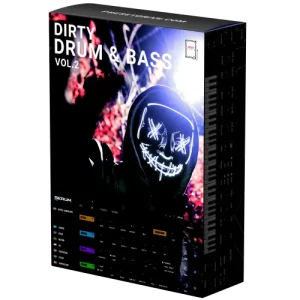
Dirty Drum & Bass Vol.2
Professional DnB presets for Serum. Reeses, neuro basses, subs, and more.
£29.99
Shop Now →Not sure yet? Grab our free taster pack first.
