Every dubstep fan has heard those iconic bass sounds that define the genre. The Skrillex-style growl. The Excision mid-range scream. The Virtual Riot vocal bass. These sounds are legendary, and the good news is that most of them can be recreated (or at least closely approximated) in Xfer Serum.
In this guide, we walk through the techniques behind some of the most famous dubstep sounds and show you how to build them from scratch in Serum. These are simplified versions to get you in the right ballpark – from there, you can tweak and develop your own variations.
The Classic Skrillex Growl
The growl bass that defined early brostep is actually simpler than most people think. It is built on FM synthesis with aggressive filtering.
How to Build It
- Oscillator A: Load a basic saw or square wavetable. Set it one octave down
- Oscillator B: Load a more complex wavetable (try “Analog_BD_Sin” or similar). Enable FM from B on Oscillator A and set the amount to around 30-50%
- Filter: Use a low-pass filter (MG Low 24) with the cutoff at about 40%. Add moderate resonance (25-35%)
- LFO 1: Assign to filter cutoff. Use a triangle or sine shape. Set the rate to 1/4 or 1/2 note synced to tempo
- FX: Add distortion (tube mode), then OTT-style multiband compression
The wobble comes from the LFO modulating the filter cutoff. The aggression comes from the FM synthesis and distortion. Adjust the LFO rate to change the speed of the wobble.
The Virtual Riot Vocal Bass
Virtual Riot popularised the vocal bass sound that has become a staple in modern dubstep. It sounds like a synthesiser is talking or singing. The secret is formant filtering.
How to Build It
- Oscillator A: Load a rich, harmonically complex wavetable. “Analog_Misc” or custom wavetables with lots of harmonic content work well
- Oscillator B: Same approach, slightly detuned or using a different wavetable position
- Filter: Use the “French LP” filter type – this has a vowel-like quality built in
- Modulation: Use an LFO to modulate the wavetable position on both oscillators. Use a second LFO to modulate the filter cutoff at a different rate
- Key technique: Automate the wavetable position manually for specific vowel sounds. Different positions create different formants
For more authentic vocal qualities, try loading actual vocal samples into Serum’s wavetable editor using the “Import Audio” function. Serum will convert the audio to a wavetable that you can then sweep through.
The Excision Mid-Range Scream
Excision’s signature sound is a screaming, aggressive mid-range bass that cuts through any mix. It relies heavily on distortion and FM synthesis.
How to Build It
- Oscillator A: Start with a basic waveform (saw or square). Enable FM from B with a high amount (60-80%)
- Oscillator B: Use a complex wavetable and automate the wavetable position for movement
- Sub Oscillator: Enable the sub oscillator for low-end weight. Set it to a sine wave
- Filter: Band-pass filter to isolate the mid-range frequencies (200Hz-2kHz)
- FX Chain: Distortion (hard clip) into hyper/dimension for width, then compressor
- Post-processing: After Serum, add external multiband distortion and OTT compression
The screaming quality comes from high amounts of FM synthesis combined with aggressive distortion. The band-pass filter ensures only the mid-range frequencies come through, keeping the sound focused and cutting.
The Riddim Foghorn
The riddim foghorn is a deep, resonant bass hit that sounds like a ship’s horn processed through a distortion pedal. It is simpler than it sounds.
How to Build It
- Oscillator A: Square wave, one octave down
- Oscillator B: Sine wave as sub, two octaves down
- Filter: Low-pass filter with moderate resonance. Set cutoff to around 30-40%
- Envelope: Short attack, medium decay, moderate sustain, short release
- FX: Heavy distortion (tube or hard clip), compressor, then EQ to shape the tone
The key to the foghorn sound is the combination of a filtered square wave with heavy distortion. The short envelope gives it that punchy, horn-like quality.
The Knife Party Saw Bass
The massive detuned saw bass that Knife Party used in tracks like “Bonfire” is actually one of the simplest sounds to recreate. It is all about layering and detuning.
How to Build It
- Oscillator A: Saw wave with 7 unison voices, detune at 0.15-0.25
- Oscillator B: Saw wave with 7 unison voices, detuned slightly differently from Osc A
- Sub: Sine wave sub oscillator for low-end foundation
- Filter: Low-pass filter with cutoff around 60-70%. Add slight resonance
- FX: Dimension expander for width, compressor for glue, slight reverb
Blend levels between oscillators until the sound is thick but not muddy. The high unison count with moderate detune creates that massive wall-of-sound effect.
Tips for Recreating Any Sound
- Use a spectrum analyser: Compare the frequency content of the original sound with your recreation
- Work in layers: Many iconic sounds are actually multiple layers blended together
- Do not aim for an exact copy: Use these recreations as starting points and develop your own variations
- Post-processing matters: Often the magic is in the effects chain after the synth, not just the synth itself
Get Professional Starting Points
If you want to skip ahead, our professionally designed Serum preset packs include sounds inspired by these iconic styles, ready for you to customise and make your own.
For video tutorials on recreating specific sounds, SeamlessR’s YouTube channel is one of the best resources for learning sound design techniques in detail.
Related Preset Packs
Looking for professional bass music presets? Check out these Serum preset packs:
Ready to level up your sound?
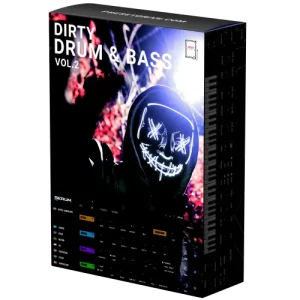
Dirty Drum & Bass Vol.2
Filthy bass presets for dubstep and riddim. Growls, wobbles, and screeches.
£29.99
Shop Now →Not sure yet? Grab our free taster pack first.

