If you produce dubstep, you already know that compression can make or break your bass sounds. Get it right and your drops hit like a freight train. Get it wrong and everything sounds flat, lifeless, or worse – pumping and distorted in all the wrong ways.
In this guide, we break down the compression settings that actually work for dubstep bass. Whether you are working with growls, wobbles, or sub bass, these techniques will help you get punchier, more controlled low end in your mixes.
Why Compression Matters in Dubstep
Dubstep bass is dynamic by nature. Wobbles modulate in volume, growls have sharp transients, and sub bass needs to sit consistently underneath everything. Without compression, these elements fight each other and create an uneven, messy mix.
Compression tames those dynamics and gives your bass a consistent energy that translates well on big sound systems. But the key is using the right settings for the right type of bass sound.
Compression Settings for Sub Bass
Sub bass needs to be rock solid. It should sit at a consistent level throughout your track without any noticeable volume dips or spikes.
- Ratio: 4:1 to 6:1 – you want firm control without squashing the life out of it
- Attack: 10-30ms – fast enough to catch peaks but slow enough to let the initial thump through
- Release: 100-200ms – match this to the tempo of your track for the smoothest result
- Threshold: Set so you are getting 3-6dB of gain reduction on the loudest hits
- Knee: Soft knee works best for sub bass as it gives a more natural, transparent compression
Pro tip: after compressing your sub, use a limiter with a ceiling of -0.3dB to catch any remaining peaks. This keeps your sub tight without audible pumping.
Compression Settings for Mid-Range Bass and Growls
Mid-range bass is where dubstep gets its character. Growls, yois, and vocal-style bass sounds all live in this frequency range, and they need a different compression approach than sub bass.
- Ratio: 3:1 to 4:1 – enough to control dynamics without killing the movement
- Attack: 5-15ms – faster attack to tame harsh transients from distortion and FM synthesis
- Release: 50-150ms – shorter release to let the compression breathe between modulation cycles
- Threshold: Aim for 4-8dB of gain reduction
For heavily modulated sounds, try using two compressors in series. The first one with a gentler ratio (2:1) catches the biggest peaks, and the second one (4:1) provides consistent levelling. This approach gives you more transparent results than a single heavy compressor.
Multiband Compression for Dubstep Bass
This is where things get really powerful. Multiband compression lets you compress different frequency ranges independently, which is perfect for complex bass sounds that span multiple octaves.
Recommended Band Setup
- Band 1 (20-120Hz): Sub frequencies – use a higher ratio (5:1) with medium attack for consistent low end
- Band 2 (120-800Hz): Low mids – moderate ratio (3:1) to control the body of the sound
- Band 3 (800Hz-5kHz): Upper mids – lighter ratio (2:1) to preserve detail and grit
- Band 4 (5kHz+): Highs – very gentle compression or bypass to keep air and presence
Multiband compression is especially useful when you have a bass sound that has both a sub layer and a distorted mid layer baked into a single patch. Instead of splitting it into separate channels, you can use multiband compression to treat each frequency range appropriately.
Sidechain Compression for Dubstep
No discussion of dubstep compression is complete without sidechain compression. This technique ducks your bass out of the way of your kick drum, creating that pumping effect that gives dubstep its rhythmic energy.
- Ratio: 8:1 to infinity (limiting)
- Attack: 0.1-1ms – as fast as possible
- Release: 100-300ms – adjust to taste, longer release creates a more dramatic pump
- Threshold: Set low enough that every kick triggers the compressor
Many producers now use volume shaping plugins like LFOTool or Kickstart instead of traditional sidechain compression. These give you more precise control over the ducking curve and are easier to set up.
Parallel Compression for Extra Weight
Parallel compression (also called New York compression) is a secret weapon for adding weight to dubstep bass without losing dynamics. The idea is simple: blend a heavily compressed version of your bass with the uncompressed original.
Set up an aux send with a compressor using extreme settings – high ratio (10:1+), fast attack, fast release. Then blend this crushed signal underneath your original bass at about 20-30% volume. The result is a bass sound that feels bigger and more present without sounding squashed.
Common Mistakes to Avoid
- Over-compressing sub bass: If your sub sounds like it is breathing or pumping, your release time is too fast or your ratio is too high
- Ignoring gain staging: Always use makeup gain to compensate for the volume reduction from compression
- Using the same settings on every sound: Different bass sounds need different compression approaches
- Compressing before sound design: Get your sound design right first, then compress. Compression should enhance, not fix
Ready to Level Up Your Bass?
Getting compression right is just one piece of the puzzle. Having quality starting sounds makes the whole process easier. Check out our Serum preset packs designed specifically for dubstep and bass music production. Each pack comes with professionally crafted bass sounds that are already optimised for heavy compression and processing.
For more production techniques, explore resources from Sound On Sound and keep experimenting with your compressor settings until you find what works for your style.
Related Preset Packs
Looking for professional bass music presets? Check out these Serum preset packs:
Get sounds that already sit in the mix
Skip the sound design. Our Serum packs and one-shots load straight into your DAW so you can finish a track tonight.
Ready to level up your sound?
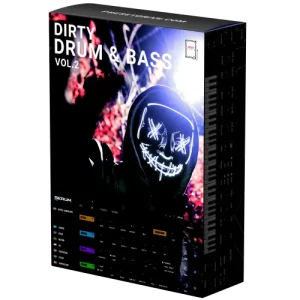
Dirty Drum & Bass Vol.2
Filthy bass presets for dubstep and riddim. Growls, wobbles, and screeches.
£29.99
Shop Now →New here? Start with our one-shots pack first.

