What Is Color Bass?
Color bass is one of the fastest growing subgenres in bass music. It combines melodic elements with heavy bass design, creating an emotional yet powerful sound. Artists like Chime, Au5, and Ace Aura have pioneered this style, blending beautiful harmonies with aggressive drops.
Unlike traditional dubstep which focuses on dark, aggressive sounds, color bass uses chord progressions, melodic leads, and harmonic bass sounds that feel almost euphoric. The bass sounds themselves often have a musical, tonal quality rather than just being noise and distortion.
The Sound Design Approach
Harmonic Bass Sounds
Color bass starts with harmonically rich wavetables. In Serum, look for wavetables that produce clear, musical tones even when distorted. The Basic Shapes and Analog categories work well, but the real magic happens with custom wavetables.
Set Oscillator A to a saw wave and enable unison with 7 voices. Add moderate detune for a supersaw-like character. This gives you a bass that sounds big and musical rather than noisy and aggressive.
Oscillator B should complement with a different harmonic character. Try a square wave with slight PWM (pulse width modulation) for added thickness, or load a wavetable with bell-like harmonics.
Chord-Based Bass Design
One technique that defines color bass is playing bass sounds as chords rather than single notes. In Serum, keep the voicing polyphonic (not mono) and play minor 7th or major 7th chords in the bass range. The harmonic complexity this creates is what gives color bass its signature sound.
Use an EQ after Serum to cut the sub frequencies and layer a separate clean sub bass underneath. This keeps the low end tight while the mid-range bass carries all the harmonic interest.
Processing for Color Bass
Saturation Over Distortion
Color bass uses saturation rather than heavy distortion. You want to add warmth and harmonic content without destroying the musicality of the sound. In Serum, try the Warm Tube or Tape distortion modes at moderate levels.
External saturation plugins like FabFilter Saturn, Soundtoys Decapitator, or even Ableton stock Saturator with the Soft Sine curve work brilliantly for this style.
Reverb and Space
Unlike most dubstep subgenres, color bass benefits from reverb on the bass. A short, tight reverb adds space and depth without muddying the low end. Use a high-pass filter on the reverb return to keep everything below 200Hz dry and clean.
Delay can also work well on color bass elements, especially on the melodic components. Sync the delay to your tempo for rhythmic echoes that enhance the musical feel.
Multiband Processing
Color bass sounds best when you process different frequency bands differently. Use multiband compression or multiband saturation to add aggression to the mids and highs while keeping the lows clean and powerful.
OTT can work here too, but use it more subtly than you would for riddim or tearout. Around 20-30% depth is usually enough to add detail without crushing the dynamics that make color bass feel emotional.
Arrangement and Composition Tips
Chord Progressions That Work
Color bass thrives on emotional chord progressions. Minor keys with occasional major lifts create that bittersweet, euphoric feeling the genre is known for. Common progressions include i – VI – III – VII and i – iv – VI – V.
Write your chord progression first, then design the bass sound to fit it. This is the opposite approach to most dubstep production where you design the sound first and write the pattern after.
Melodic Elements
Layer your bass with melodic elements like plucks, pads, and leads. These should share the same key and complement the bass harmonically. Use Serum to create bright, clean lead sounds that sit on top of the bass.
Getting Started with Color Bass Production
If you are new to color bass, start by studying reference tracks from Chime, Au5, and Ace Aura. Pay attention to how they balance aggression with melody. The key is finding that sweet spot where the bass is heavy enough to hit hard on a sound system but musical enough to be emotionally engaging.
Having quality bass presets as starting points makes learning much faster. Our Serum preset packs include bass sounds with the harmonic richness needed for color bass production. Start with a preset, tweak the filtering and modulation, and build your track around the sound.
Key Takeaways
Color bass is about musicality meets weight. Use harmonically rich wavetables, play bass as chords, process with saturation rather than heavy distortion, and always compose your chord progression before designing your sounds. It is a genre where music theory matters as much as sound design.
PHP: 2026-03-08 20:22:49 [notice X 0][/var/www/presetdrive/wp-content/plugins/elementor-pro/modules/forms/submissions/actions/save-to-database.php::193] {closure:ElementorProModulesFormsSubmissionsActionsSave_To_Database::__construct():193}(): Implicitly marking parameter $exception as nullable is deprecated, the explicit nullable type must be used instead [array (
‘trace’ => ‘
#0: ElementorCoreLoggerManager -> shutdown()
‘,
)]
Related Guides
- Melodic Dubstep Production Guide
- Best Chord Progressions for Bass Music
- Serum vs Phase Plant for Bass Music
- How to Make Sub Bass Hit Harder
Related Preset Packs
Looking for professional bass music presets? Check out these Serum preset packs:
Ready to level up your sound?
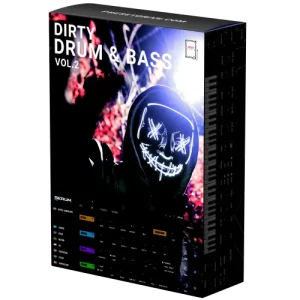
Dirty Drum & Bass Vol.2
Filthy bass presets for dubstep and riddim. Growls, wobbles, and screeches.
£29.99
Shop Now →Not sure yet? Grab our free taster pack first.
