
The Breakbeat Revival
Breakbeat is having a massive moment in 2026. The genre has evolved far beyond its 90s big beat origins, pulling influences from UK garage, bass music, electro, and even techno. Modern breakbeat sits at around 130 to 140 BPM with chopped-up drum breaks, heavy bass, and a raw energy that feels fresh in a world of quantised, grid-locked production. Artists like Duskus, Tsuruda, and the Sherelle-adjacent crew are pushing breakbeat into exciting new territory.
The beauty of producing breakbeat is the creative freedom. There are fewer rules than in DnB or dubstep. The focus is on groove, creativity, and making people dance. If you can chop a break and design a bass, you can make breakbeat.
Finding and Chopping Breaks
Sourcing Breakbeats
Classic breaks like the Amen, Think, Funky Drummer, and Apache are timeless starting points. These breaks have been used in thousands of tracks, but the way you chop and process them makes all the difference. Sample them from vinyl for authenticity, or use clean digital versions and add your own processing.
Beyond the classics, dig through funk, soul, and jazz records for lesser-known breaks. The more obscure your source material, the more unique your tracks will sound. Sites like WhoSampled can help you identify breaks used in tracks you like, giving you leads on original source records to explore.
Chopping Techniques
Slice your break into individual hits in your DAW sampler. In Ableton, use Simpler or Sampler. In FL Studio, use SliceX or the slicer function in the playlist. The goal is to have each kick, snare, hat, and ghost note on a separate pad or key so you can rearrange them freely.
Start by recreating the original pattern to make sure your chops are clean. Then start experimenting: swap hits around, remove elements, add double-hits, reverse individual chops. The more you play with the arrangement, the more unique your pattern becomes. Layer your chopped break with synthesised drum hits for extra punch and control.
Designing Breakbeat Bass in Serum
The Breakbeat Sub
Modern breakbeat bass sits somewhere between garage and dubstep. It needs weight and character without being overly aggressive. In Serum, start with a sine wave for the sub, then add a saw wave in Oscillator B with a low-pass filter for mid-range warmth. Keep the mid-range content below 1 kHz for a controlled, warm tone.
Add gentle saturation using the Tape or Warm Tube modes for analog-style warmth. The bass should feel round and full, complementing the raw energy of the chopped breaks rather than competing with them. Moderate distortion is fine, but breakbeat bass generally should not be as aggressive as dubstep or neurofunk.
Rhythmic Bass Patterns
Breakbeat bass patterns are often syncopated and off-grid, locking in with the chopped break groove. Use short, punchy bass notes with quick amplitude envelopes for a tight, controlled feel. Longer sustained notes work during breakdowns and builds, but during the main groove, keep the bass rhythmic and bouncy.
Pitch bends and slides between notes add fluidity and groove. Automate the pitch by a semitone or two between notes for that slippery, liquid feel that makes modern breakbeat so infectious.
Browse bass presets suited for breakbeat production in the Preset Drive shop.
Adding Texture and Atmosphere
Modern breakbeat thrives on texture. Add vinyl crackle, tape hiss, or subtle noise layers to give your track a raw, organic quality. Process these through a high-pass filter above 500 Hz so they do not muddy the low end, and keep them quiet in the mix. They should be felt rather than consciously heard.
Atmospheric pads and ambient textures work well in breakbeat. Use reverb-drenched synth pads, processed vocal samples, or field recordings to create depth and space around your drums and bass. These elements give the track dimension and prevent it from feeling too dry and clinical.
Vocal chops are a breakbeat staple. Slice up vocal recordings, pitch-shift individual syllables, and scatter them across the arrangement. Short, percussive vocal chops can work almost like additional drum hits, while longer phrases add musicality and hook potential.
Mixing and Arrangement Tips
Breakbeat mixes should feel raw and energetic but not messy. Keep your low end clean with sidechain compression between kick and bass. Use high-pass filters aggressively on everything that does not need low-end content. The breaks should be upfront and punchy, with the bass supporting them rather than drowning them out.
Arrangement-wise, modern breakbeat tends toward shorter tracks (3 to 5 minutes) with clear sections. An intro with stripped-back drums, a verse with bass and groove, a breakdown for tension, and a drop that brings the full energy. Do not be afraid to use silence and space in your arrangement for impact.
Try the free Serum taster pack to find bass tones that work perfectly with chopped breaks.
Start Chopping and Creating
Breakbeat production rewards creativity and experimentation. Find great breaks, chop them up, design warm bass sounds in Serum, and build grooves that make people move. The genre is wide open for fresh approaches, so bring your own style. Get the bass sounds you need from Preset Drive and start producing.
Ready to level up your sound?
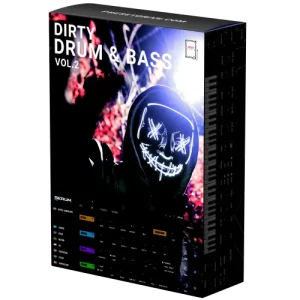
Dirty Drum & Bass Vol.2
Professional DnB presets for Serum. Reeses, neuro basses, subs, and more.
£29.99
Shop Now →Not sure yet? Grab our free taster pack first.
