Why Collaborate?
Making bass music on your own is great, but collaborating with other producers can take your music to places you would never reach alone. Other producers bring different skills, different perspectives, and different sonic palettes. A collaboration can push you outside your comfort zone, teach you new techniques, and result in music that neither of you could have made independently.
The bass music scene in particular has a strong culture of collaboration. Producers share techniques openly, remix each other regularly, and work together across subgenres. If you are not collaborating yet, you are missing out on one of the best ways to grow as a producer and expand your network in the scene.
Finding the Right Collaborators
Where to Look
Online communities are the easiest place to find collaborators. Reddit communities like r/edmproduction, r/dubstep, and r/dnb are full of producers looking to work together. Discord servers dedicated to music production are even better because the real-time communication makes collaboration smoother. Look for servers focused on your specific subgenre.
SoundCloud and Bandcamp are great for finding producers whose work you admire. Listen to their tracks, leave genuine comments, and reach out with a clear, specific collaboration proposal. Do not just send “want to collab?” Be specific about what kind of track you want to make and what you bring to the table.
Choosing Compatible Partners
The best collaborations happen between producers with complementary skills rather than identical ones. If you are strong at sound design but weak at arrangement, find someone who is the opposite. If you excel at bass design, find someone who is great at drums or melodies. The overlap of different strengths creates something greater than the sum of its parts.
Discuss your goals before starting. Are you making this for fun, for release on a label, or for a remix? Setting expectations early prevents misunderstandings later. Also agree on how credits and any revenue will be split before you create anything together.
Setting Up a Remote Collaboration Workflow
File Sharing and Organization
Use cloud storage like Google Drive, Dropbox, or WeTransfer for sharing project files. Create a shared folder structure with separate folders for stems, project files, reference tracks, and final bounces. Keep things organized from the start because messy file management kills collaboration momentum.
Agree on a naming convention for files. Something like “TrackName_v1_YourName” makes it clear which version is which and who made the last changes. Version numbering prevents confusion when multiple iterations are flying back and forth.
DAW Compatibility
If you both use the same DAW, sharing project files is straightforward. If not, stems are your best friend. Export individual elements (kick, snare, bass, leads, pads, FX) as WAV files from the same starting point. The other producer imports them into their DAW and works from there. This method works regardless of what DAW either person uses.
Agree on a project tempo and key before you start. Nothing wastes more time than discovering midway through that your parts are in different keys or tempos. Also agree on a sample rate (44.1kHz is the safest standard).
Communication During the Process
Feedback and Direction
Give clear, constructive feedback. Instead of saying “the bass sounds weird,” say “the bass might work better with less resonance on the filter, maybe around 20% instead of 50%.” Specific, actionable feedback moves the project forward. Vague criticism stalls it.
Use reference tracks to communicate the vibe you are going for. Sending a link to a track and saying “I love the bass tone at 1:30 in this track” is much more effective than trying to describe a sound in words. Reference tracks align your creative visions and reduce miscommunication.
Setting Deadlines
Without deadlines, collaborations often fizzle out. Set realistic timelines for each stage. “Send me the drum pattern by Friday” is much more productive than “whenever you get around to it.” Regular check-ins (even just a quick message every few days) keep the momentum going and show both parties are committed.
Sharing Presets and Sound Design
One of the best things about collaborating with Serum users is that you can share presets directly. Export your Serum patches as .fxp files and send them to your collaborator. This is much more flexible than sending audio stems because the other producer can modify the sound to fit the track better.
Include notes with your presets explaining what the macros do and any important settings. A preset file with no context can be confusing, especially if it has complex modulation or specific macro mappings that are not obvious. A quick text description saves your collaborator time and confusion.
Building a Shared Sound Palette
At the start of a collaboration, share a small collection of sounds that represent the sonic direction you want to explore. This might be 5-10 Serum presets, a few drum samples, and a couple of reference tracks. This creates a shared palette that keeps both producers working toward the same sonic goal. Having a quality preset collection gives you a wider palette to draw from when building these shared sound sets.
Finishing and Releasing Collaborative Tracks
Finishing is the hardest part of any collaboration. One person always wants to tweak more while the other wants to call it done. Set a clear “final mix” deadline and stick to it. After that point, changes should only be made if both parties agree they are necessary.
For release, decide together where the track will live. SoundCloud for free release, Bandcamp for paid, or submit to labels for official distribution. Make sure both names are credited properly and any distribution revenue is split as agreed.
Start Collaborating Today
Collaboration is one of the fastest ways to improve as a producer and connect with the bass music community. Start by reaching out to one producer whose work you respect, propose a specific project, and see where it goes.
Having professional-quality sounds makes collaboration smoother because you can share polished presets rather than rough ideas. Download the Free Serum Taster Pack as a starting point for shared sound palettes. Explore the Preset Drive collection for deeper preset libraries that give you and your collaborators plenty of material to work with.
Ready to level up your sound?
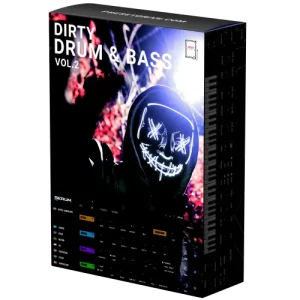
Dirty Drum & Bass Vol.2
Professional DnB presets for Serum. Reeses, neuro basses, subs, and more.
£29.99
Shop Now →Not sure yet? Grab our free taster pack first.

